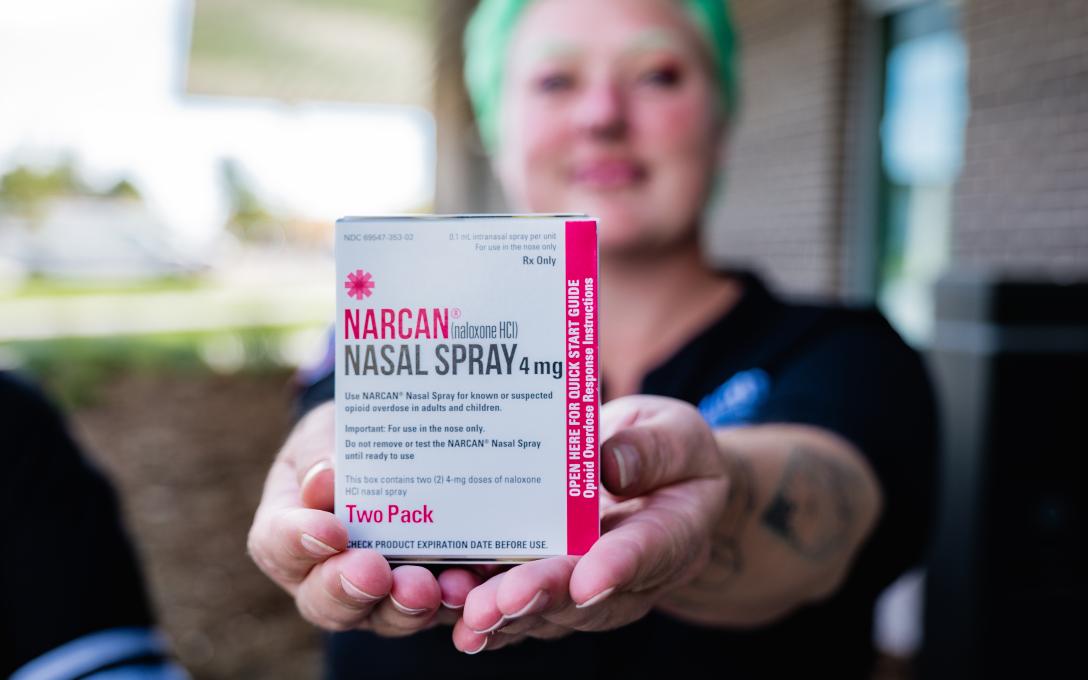
The NCHA also provides Fentanyl testing strips and community resources on campus. The testing strips detect the presence of fentanyl in various drugs, helping people and communities identify its presence in the illicit drug supply and take steps to reduce risks. Since the summer of 2022, Aims distributed 576 testing strips on campus.
Later this month, Aims will participate in the educational campaign “You Can’t Outsmart Fentanyl,” developed by Blue Rising Community, the organization that co-funded Jay Pee’s Greeley appearance. The campaign focuses on students who may be curious and experimenting with drugs, ensuring they know that fentanyl could be present, how lethal it is and how easy it is for them to take it unknowingly. The campaign includes a website, signage, social media assets and giveaways.
Other partnerships include training and technical assistance from the Colorado Coalition of Alcohol and Drug Educators (CADE) and the SAFE Project.
Collegiate Recovery Leadership Academy
Two Aims students have been recently accepted Into the Collegiate Recovery Leadership Academy (CRLA). Danielle Irwin, a Student Government Association Vice President, and Jennifer Daniel, a Campus Activities Programmer, have both been accepted into CRLA. During the year-long fellowship, the students implement a recovery-focused impact project on their campus, receive advocacy training, attend two in-person events, and be part of a supportive cohort of peers from around the country.
Daniel will serve as a fellow this year. She will implement an impact project to support recovery at Aims and was one of only 50 applicants selected in a competitive application process nationwide to receive this honor.
“I really love helping people,” Daniel said.
“It's put me on a path to work for something higher and has been a huge learning opportunity for me to help implement more practices and programs and help out the community that I'm a part of.”
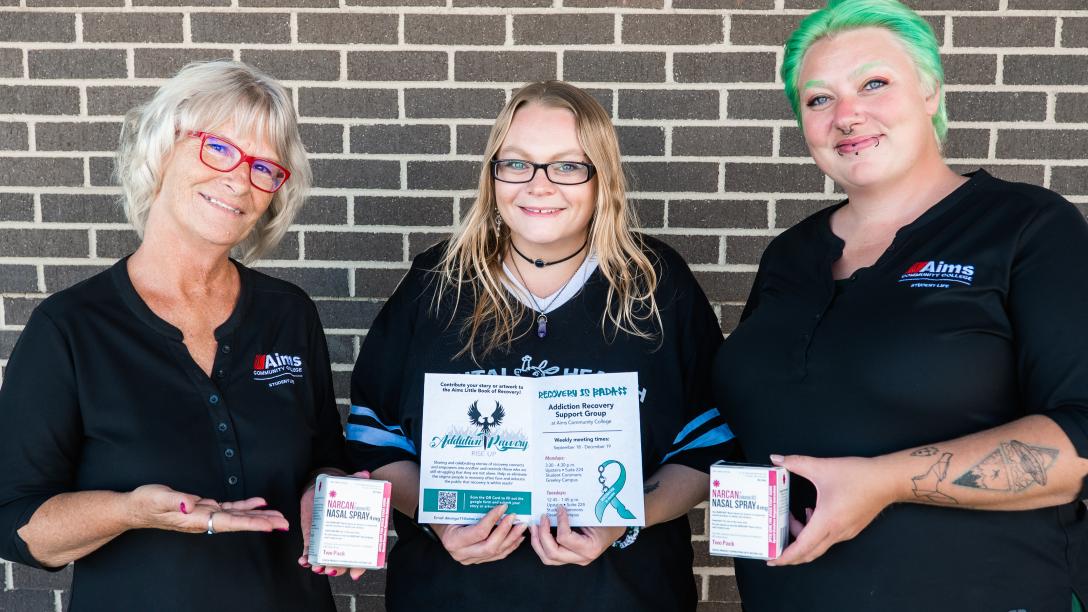
Irwin was chosen as a fellow in 2022. This year, Irwin is a CRLA group leader; she supports other new fellows nationwide as they implement their impact projects. Irwin’s project was to develop the Aims Little Book of Recovery that will be published and distributed throughout campus during this school year. In the book, Irwin collects stories, poetry and artwork from the Aims community to discuss recovery. “I believe sharing stories helps reduce the stigma and empowers those still struggling,” Irwin said. “It’s good to hear other people's stories and know you're not alone.”
Through her personal experience, Irwin knows that substance abuse can impact your life and educational aspirations. She first started attending Aims in 2011 when she admitted she was “really heavy in addiction.” Irwin was failing classes and withdrew from the rest of them. She wishes that the support mechanisms in place now were available back then. “I think my recovery journey could have started a long time ago. It's important that we help our students be successful and also help save lives.”
Both Irwin and Daniel are passionate about the work they are doing. “I talked to many students who would like a community where they can feel connected,” Irwin said. “Jennifer and I are people in recovery. So this project is very close and dear to our hearts.”
Recovery Support on Campus
This month, Aims began offering SMART Recovery Meetings for students. Aims also has a robust Counseling Services team that offers in-person and virtual services and resources to students dealing with substance abuse and other mental health struggles.
Chase sees all of these programs as essential, drawing from her years working in higher education. She previously worked as an advisor and often heard stories from students about how substance use affected their lives, either by loved ones or themselves. It impacted their ability to be successful in college.
Chase is enthusiastic about this program and passionate about providing multiple pathways to bring together students struggling with the same things.
“The opposite of addiction is not sobriety; it's connection. I believe that, so I wanted a space and effort so students could connect. They feel isolated. There's such a stigma associated with it and we want to break that.”
She has no doubt that the programs at Aims have a bright future with this positive momentum converging. “I've always wanted to have more robust recovery programs,” Chase said. “I’m so excited to see it happening now.”
To learn more about what Aims is doing to support students, visit aims.edu/departments/student-life.




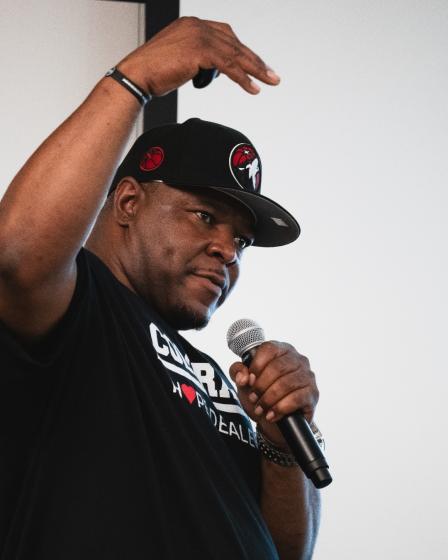 Jeff Powell, better known as Jay Pee, will share his story of redemption and hope on the Aims Greeley campus. He’ll present how he overcame homelessness and addiction and then created a recovery community organization (