





Visit

Main Content Area

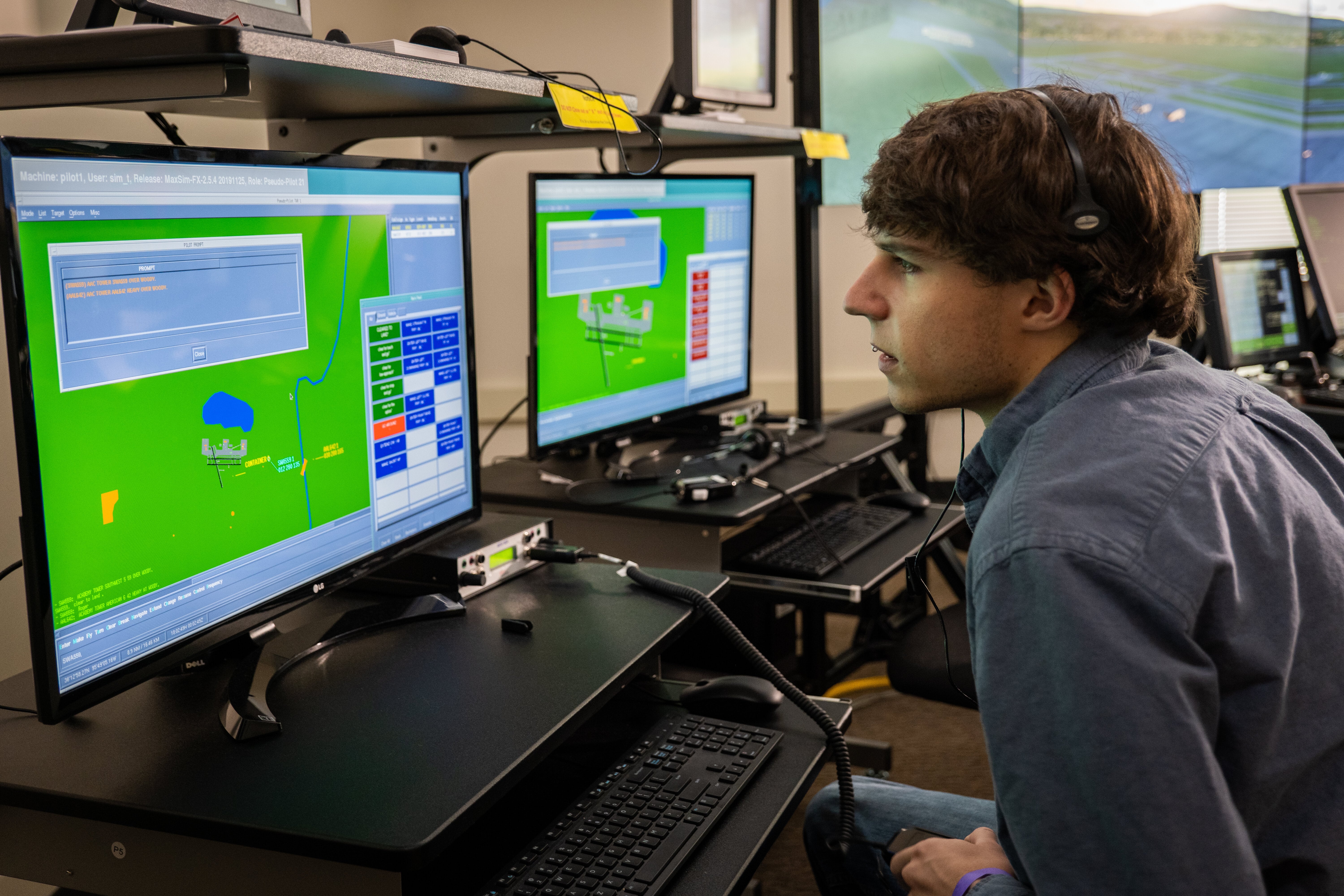
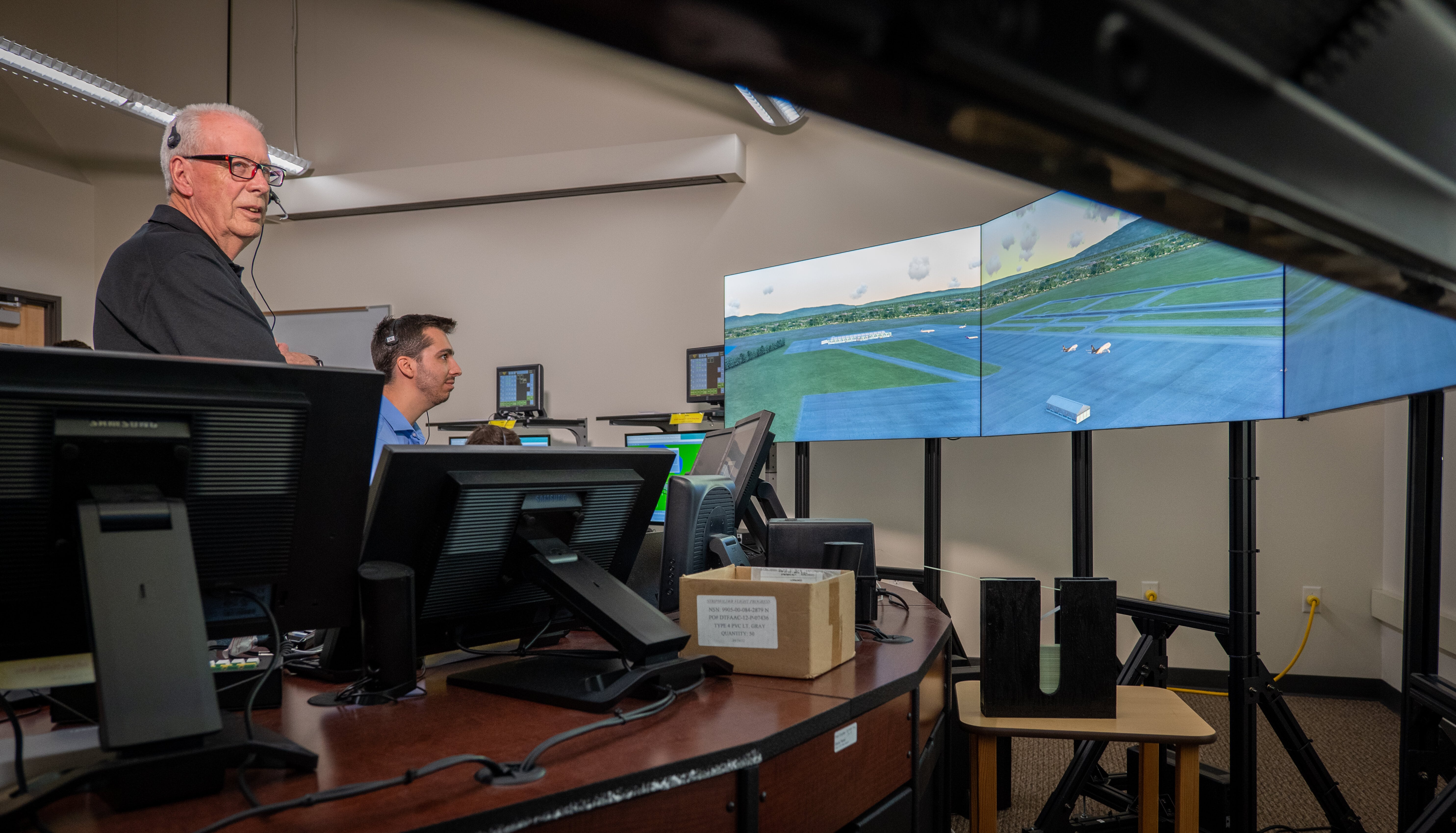
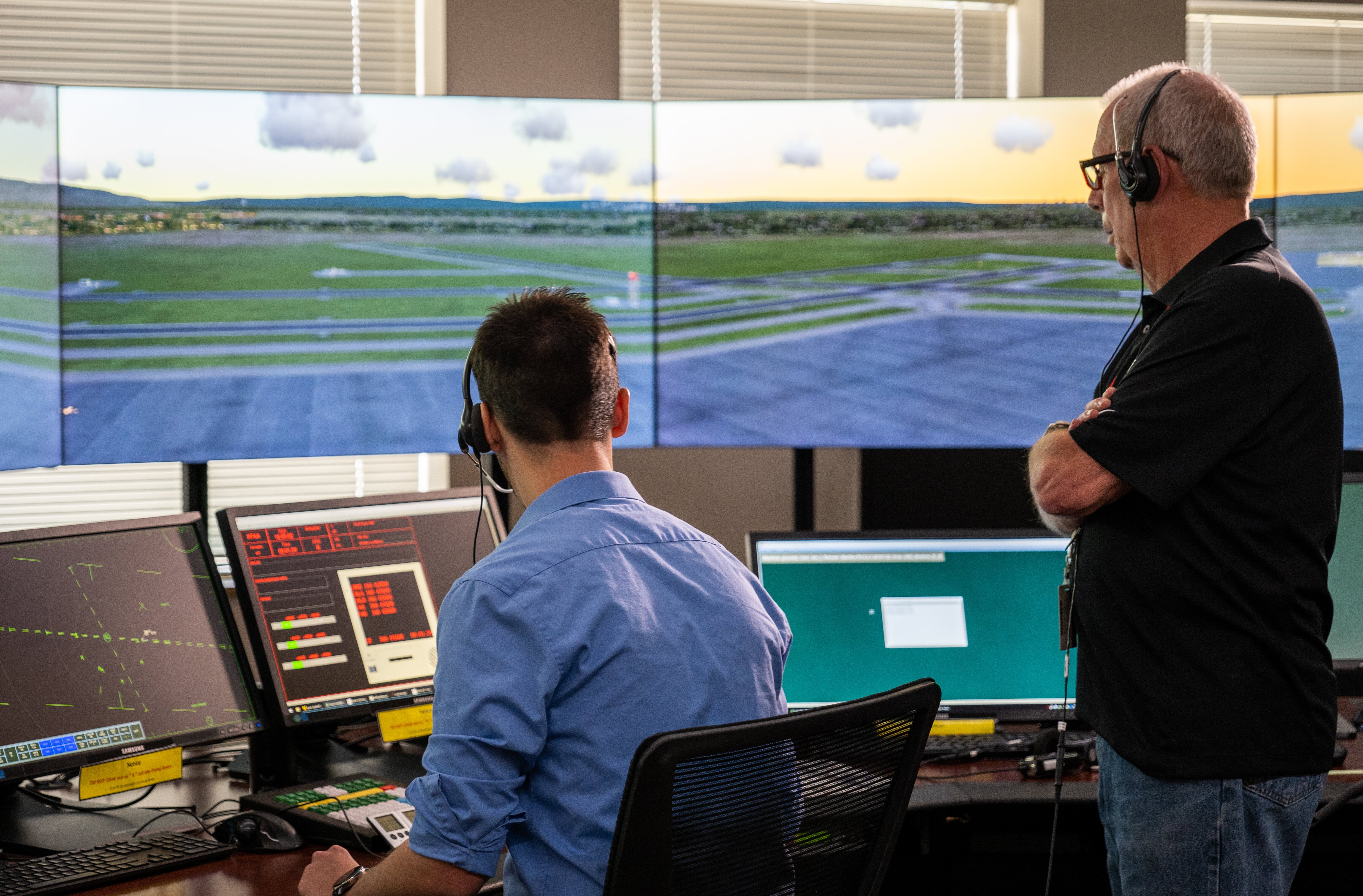
A student and instructor in an air traffic controller class at Aims Community College.

Air Traffic Control

Earn an Air Traffic Control Associate Degree at Aims

Do you enjoy solving puzzles in a fast-paced environment? If so, a career in air traffic control could be fulfilling and exciting. Air traffic control is a highly competitive field, so a thorough hands-on education can make all the difference. 

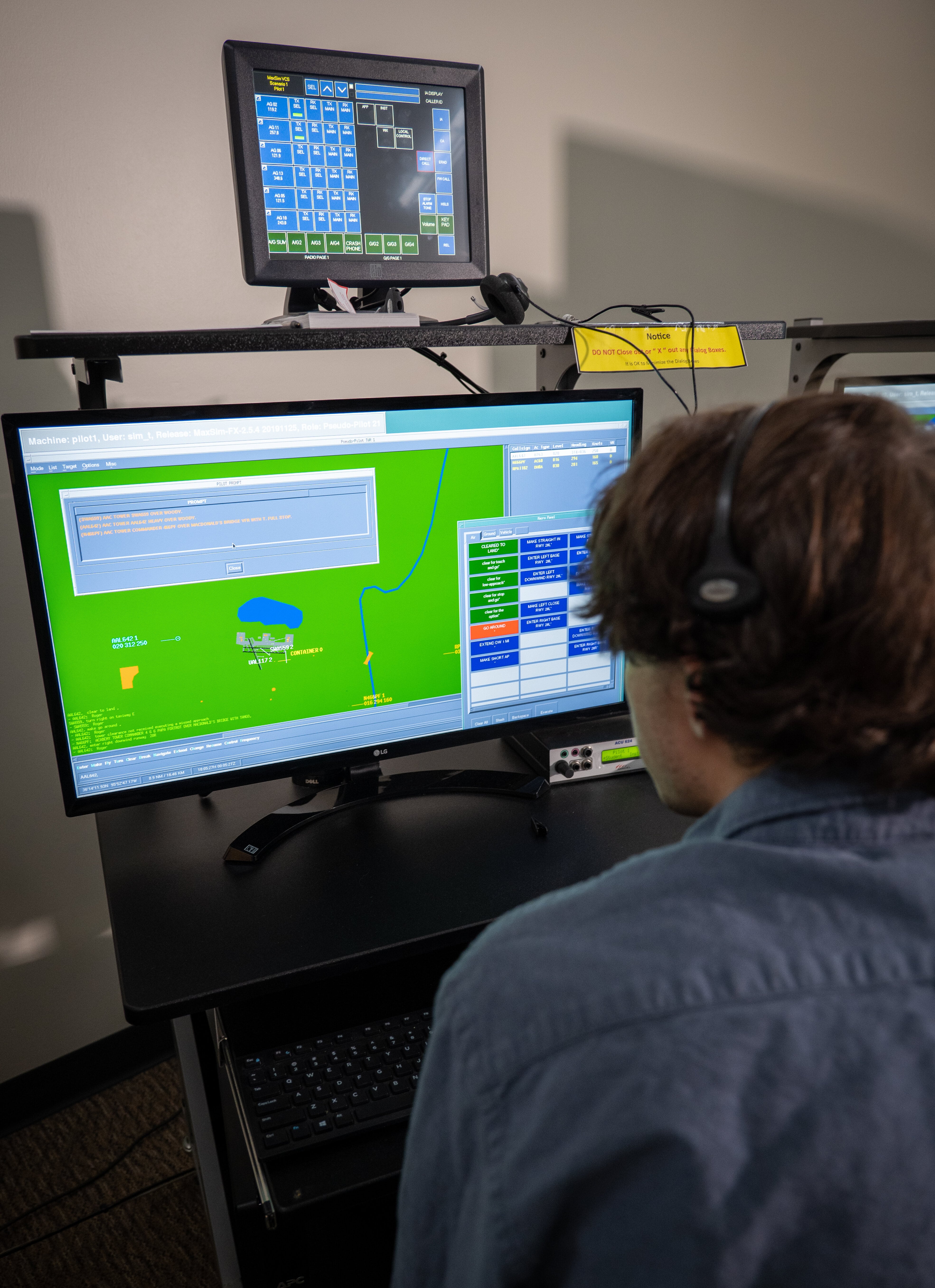
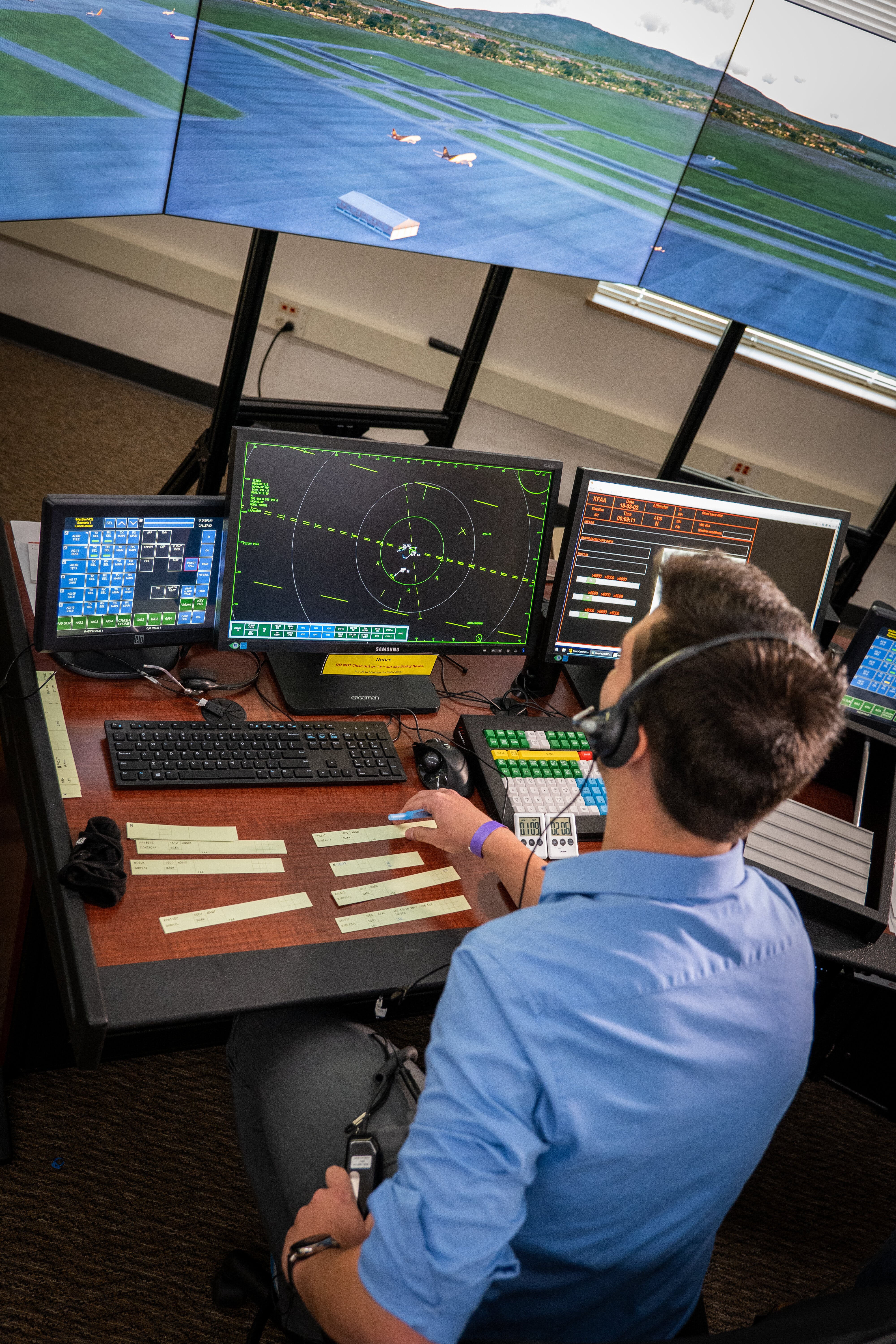
Learn to use state-of-the-art simulation equipment at one of only 30 air traffic control schools in the country with an FAA-designated Enhanced AT-CTI flight control program of this caliber. Aims is also the first community college in the nation authorized to offer both Terminal (Tower) and Enroute air traffic control training pathways. The program is a partnership designed to modernize air traffic controller training and help address a long-term national controller shortage by expanding high-quality collegiate training options under FAA oversight. 

Coursework subjects include:

  • Air Traffic Control Procedures
  • Instrumentation
  • Air Traffic Control Phraseology
  • Aviation Meteorology 
  • Radar & Non-Radar Simulation

Set yourself up for a successful career keeping passengers and pilots safe as they travel around the world with an air traffic controller associate degree from Aims Community College. 
"It's very rare in the college community to actually be in a lab like this one, where you're given the opportunity in a simulated environment to do exactly what an air traffic controller does."
--Patti Phillips, Lead Faculty Member, Air Traffic Control

Make a Career of Solving Puzzles

Aims Degree Video - Aviation - Air Traffic Controller

Patti Phillips, Air Traffic Controller Instructor, describes how the air traffic controller associate degree at Aims prepares you for success.

Learn Practical Skills Using Real Equipment

While pursuing your air traffic control associate degree, you’ll gain the technical skills that will prepare you to enter the FAA academy. With three semesters of hands-on practice in a lab setting using state-of-the-art simulators, you can learn everything required to be successful in this fast-paced, exciting career. 

Learn how to:

  • Speak and understand air traffic communication
  • Route planes using radar and non-radar techniques
  • Read and understand FAA instruments
  • Recognize and interpret atmospheric weather for flight
  • Succeed at the FAA academy and in your future career

Mission Statement

Empowering students to become successful aviation professionals.

Aims Community College has invested in modern simulators for pilots and air traffic controllers that provide students real-world training, second-to-none.

Launch Your Air Traffic Control Career

Controlling air traffic is a detail-oriented, high-pressure career where lives are on the line. These challenges can be both fulfilling and lucrative. Getting into this high-intensity job has several steps:

  • Successfully complete an air traffic control degree program
  • Pass the air traffic control aptitude test
  • Apply to the FAA
  • When accepted, attend the FAA Academy in Oklahoma City, Oklahoma
  • Pass the required courses at the Academy
  • Report to your assigned ATC facility, where your training continues in an operational environment

Because Aims holds the Enhanced AT-CTI designation, graduates can experience faster workforce entry, reduced training redundancy and direct alignment with FAA hiring needs.

The Enhanced AT-CTI designation allows qualified Aims students to access a direct, specialized pathway into the air traffic control workforce, significantly shortening the traditional training timeline. Graduates of the program who pass the FAA Air Traffic Skills Assessment (ATSA) and meet all medical and security requirements may bypass training at the FAA Air Traffic Control Academy in Oklahoma City and proceed directly to facility-specific training if hired as Air Traffic Control Specialists.

Air traffic control career outlook

Air Traffic Control Faculty and Staff

The Air Traffic Control faculty are all retired air traffic controllers with years of experience in the field. Instructors are invested in student success and foster a culture of mentorship in the program. Small class sizes (6-8) allow for students to have meaningful individual interaction with faculty, with a student-to-instructor ratio typically 1:2.

  • Headshot of Eric Himler, Executive Director, Aims Aviation Programs

    Eric Himler

    Executive Director, Aviation Programs
  • Headshot of Caroline Coppin, Aims Aviation Program Coordinator

    Caroline Coppin

    Assistant Director, Aviation Programs
  • Norma Keeney headshot

    Norma Keeney

    Staff Executive
    Also speaks:

    Spanish

  • Portrait of Patti Phillips

    Patti Phillips

    Professor, Air Traffic Control