



Aims Community College’s Fire Science program has been reaccredited by the International Fire Service Accreditation Congress (IFSAC).

Main Content Area
Aims Community College’s Fire Science program has been reaccredited by the International Fire Service Accreditation Congress (IFSAC).
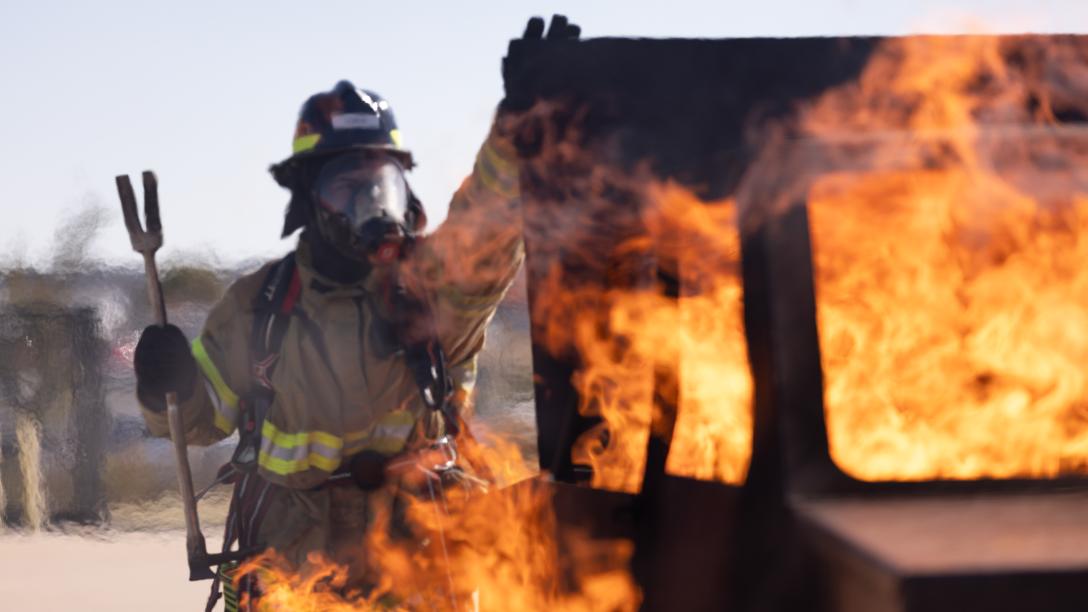
The reaccreditation affirms Aims’ commitment to high-quality fire service education and training. This follows an extensive review process that examined every aspect of the program, including curriculum, facilities, student outcomes, industry partnerships and institutional support. “This was a tremendous team effort,” said Jason Dillingham, Program Director of Fire Science at Aims. “The reviewers looked at everything we do, and the result reflects not only the quality of our program, but also the support systems and standards Aims has in place across the institution.”
The achievement builds on a long history of fire service training at Aims. The college has maintained IFSAC accreditation for 20 years and today graduates approximately 140 students annually through its Fire Academy and Associate of Applied Science degree in Fire Science.
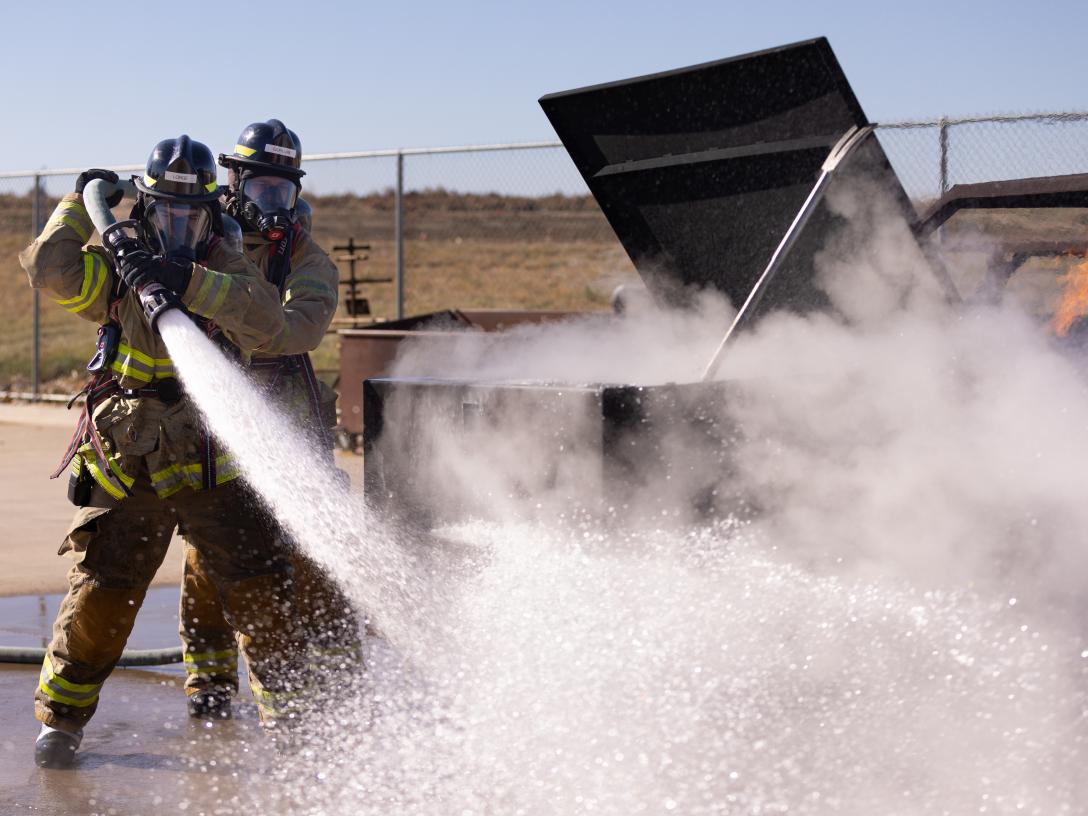
That success has grown significantly since the program’s beginnings. The first Aims Fire Academy was held in 1981 in a small garage on the Greeley Campus. More than four decades later, the program operates from the state-of-the-art Public Safety Institute in Windsor and serves students preparing for careers throughout Colorado and across the country.
While the program evolved over the years, Dillingham said its greatest strength remains its people. “We pride ourselves not only on our cutting-edge facilities but, most importantly, on our amazing instructors who make all of this happen,” he said.
Accreditation ensures that students receive training that meets nationally recognized standards and that their credentials are recognized by fire agencies across state lines. “Having an IFSAC-accredited credential means our students can take those certifications wherever their careers lead,” Dillingham said. “The training they receive at Aims is portable and recognized nationally.”
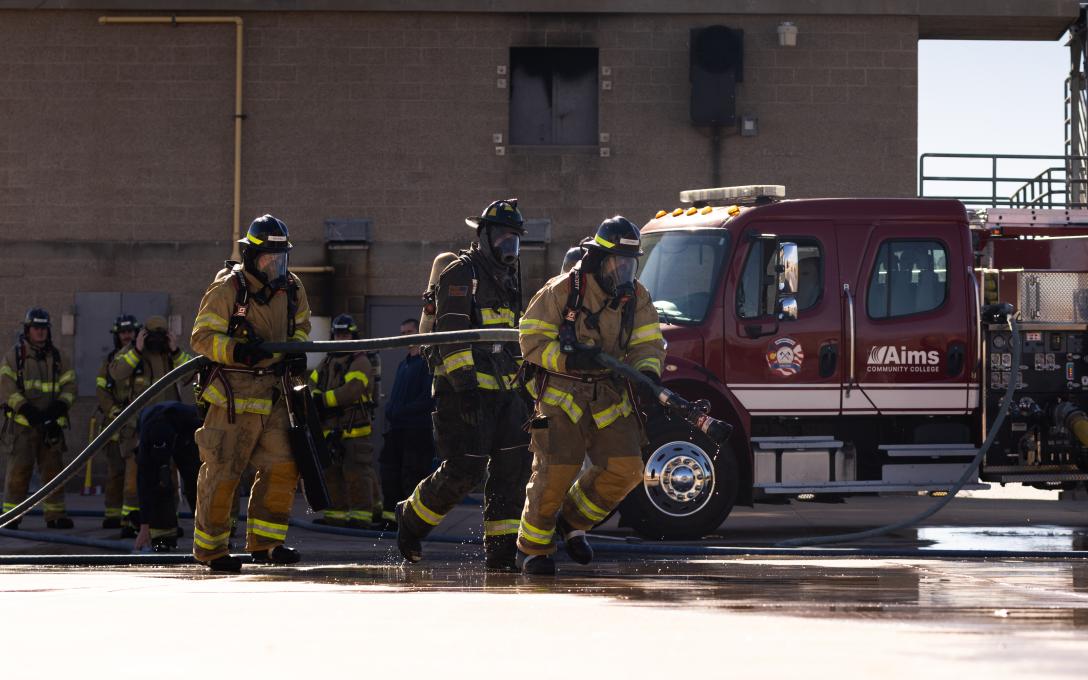
Firefighters often work in different jurisdictions during their careers, so portability is important. “Employers understand what it takes for a program to maintain accreditation,” Dillingham said. “When students complete an accredited program, it helps demonstrate that they’ve been trained to recognized standards.”
For students entering the fire service profession, the reaccreditation serves as another endorsement of a program that has spent more than 40 years preparing firefighters and emergency responders for successful careers.
To learn more about firefighting programs at Aims, visit aims.co/fire-science.