Visit

Main Content Area

Aircraft Fleet

In the Aims Aircraft Maintenance Technician program, you'll gain hands-on experience with a diverse aircraft fleet representing a range of aviation technologies, systems and configurations. From piston-powered aircraft and turboprops to business jets, experimental aircraft, and helicopters, you'll apply what you learn in the classroom to real aircraft as you prepare for a career in aviation maintenance.

Explore the details of each aircraft:

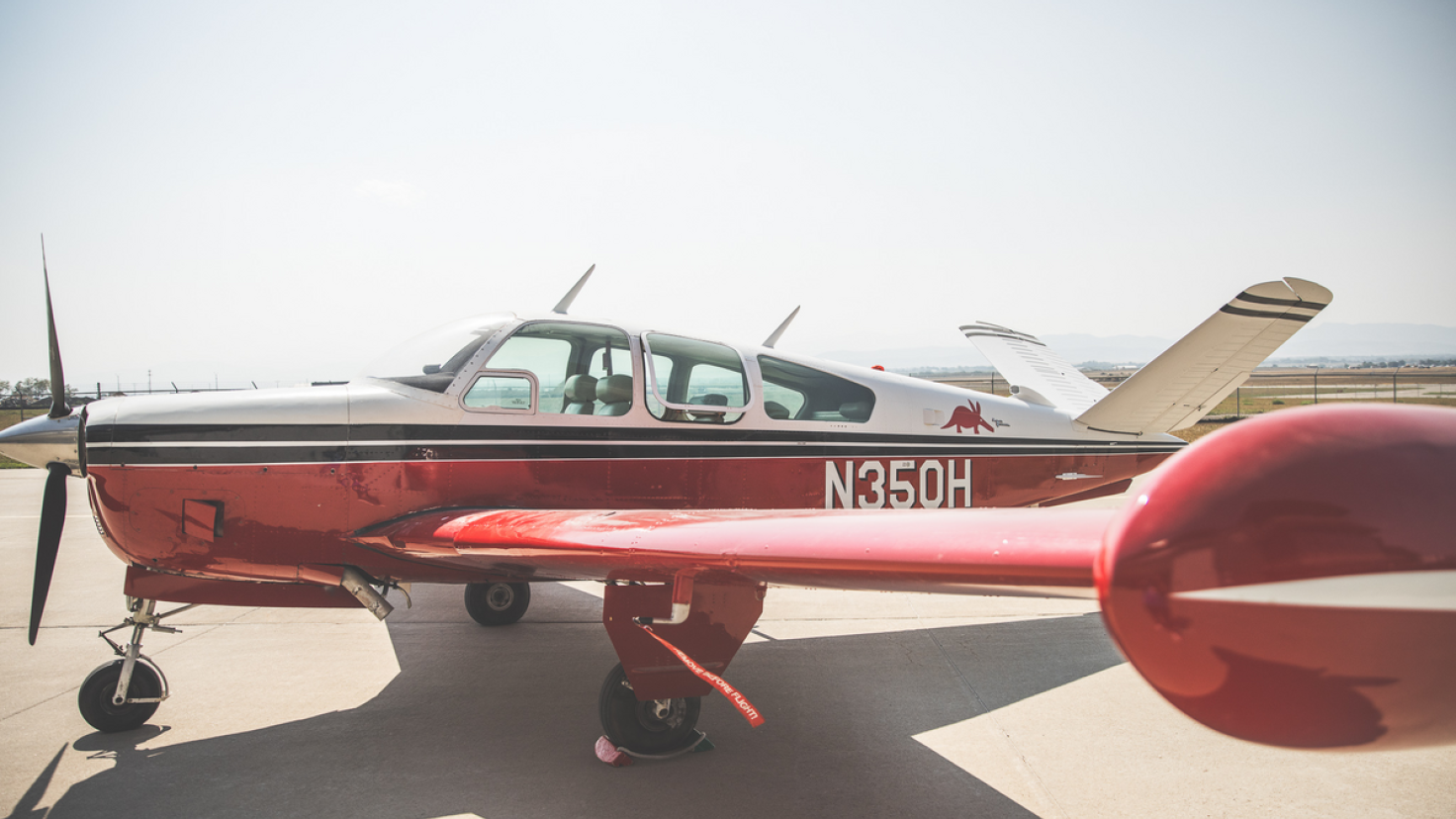
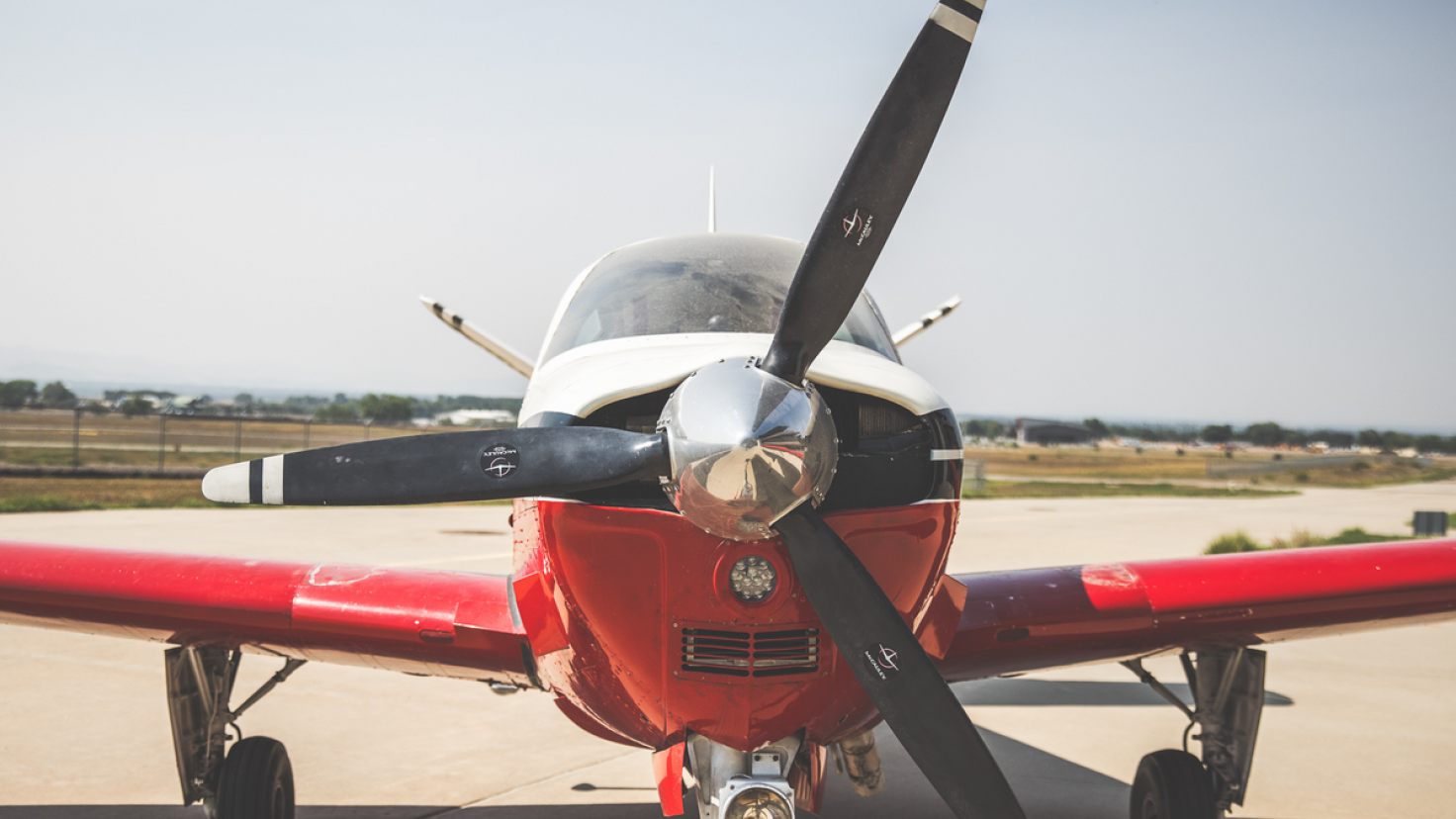
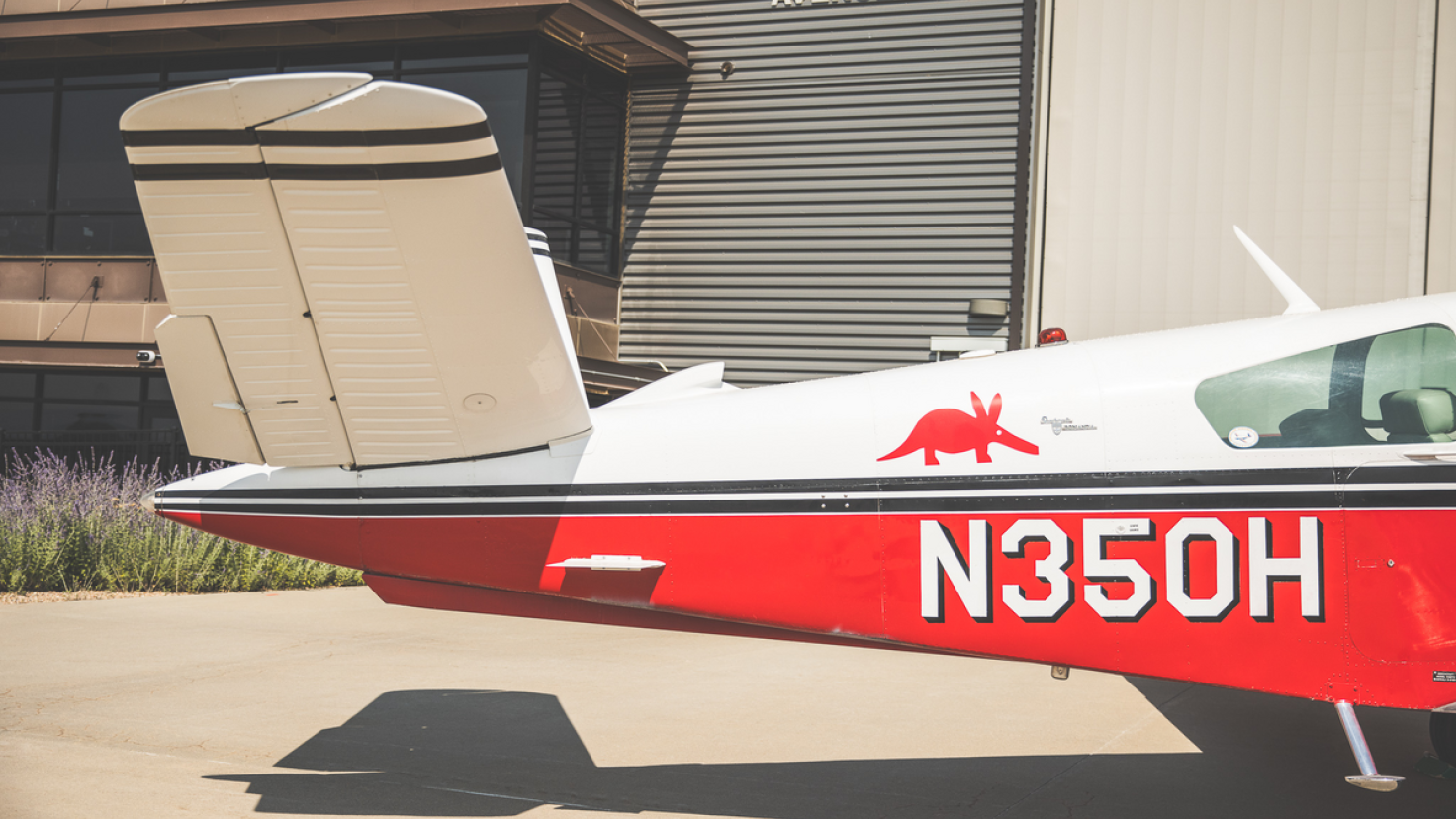
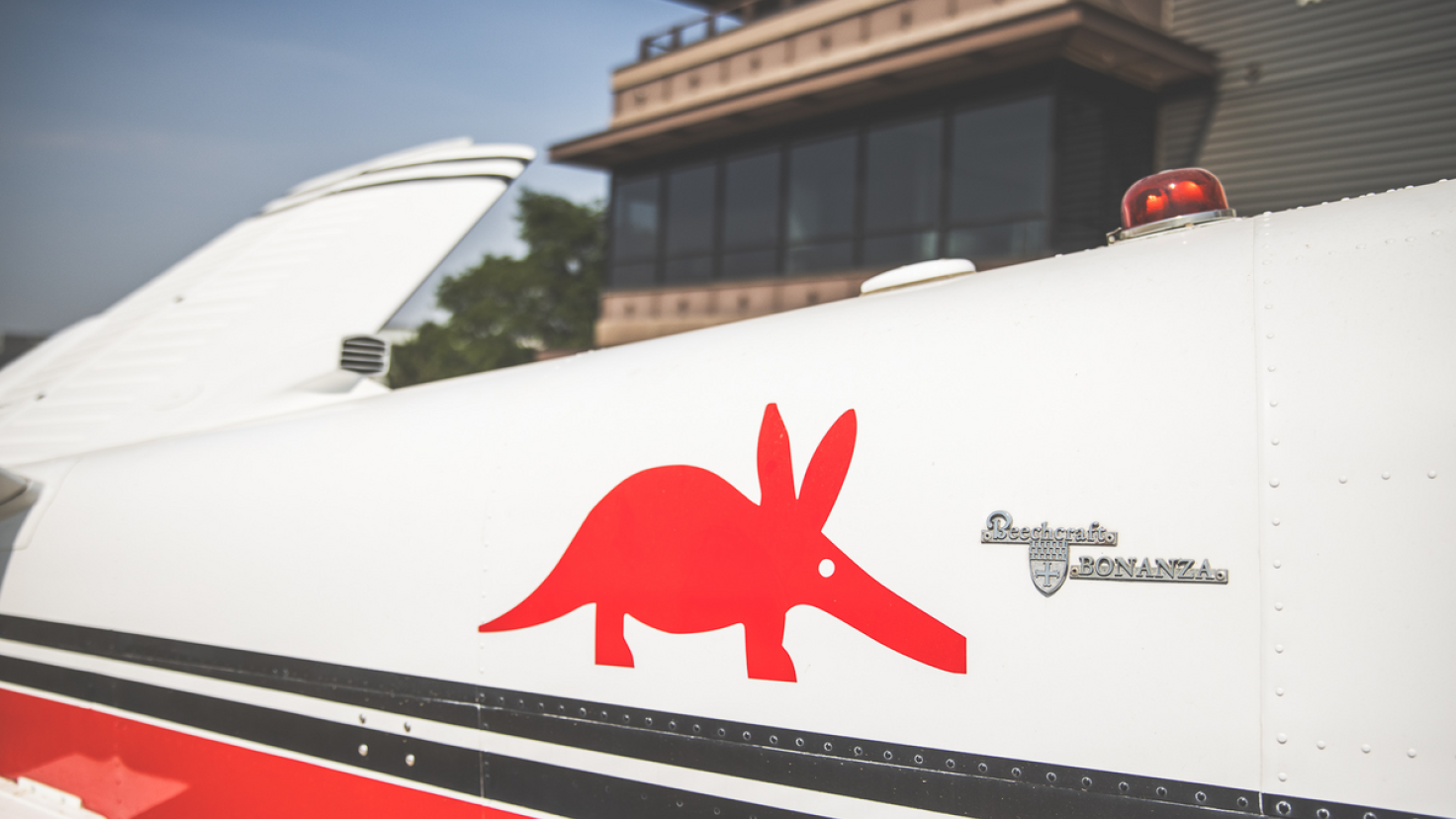
1966 Beechcraft Bonanza V35TC Aircraft

bonanza
N350H

Once known as the “Doctor Killer”, this Beechcraft Bonanza V35 features a high-performance, powerful single engine, 285 hp Continental IO-520-B model, a new one-piece windshield, and an increased gross weight of 3,400 pounds. with the iconic V-tail design and is registered under the serial number D-8188. It succeeded the S35 as an iconic high-performance, single-engine, V-tail general aviation aircraft.

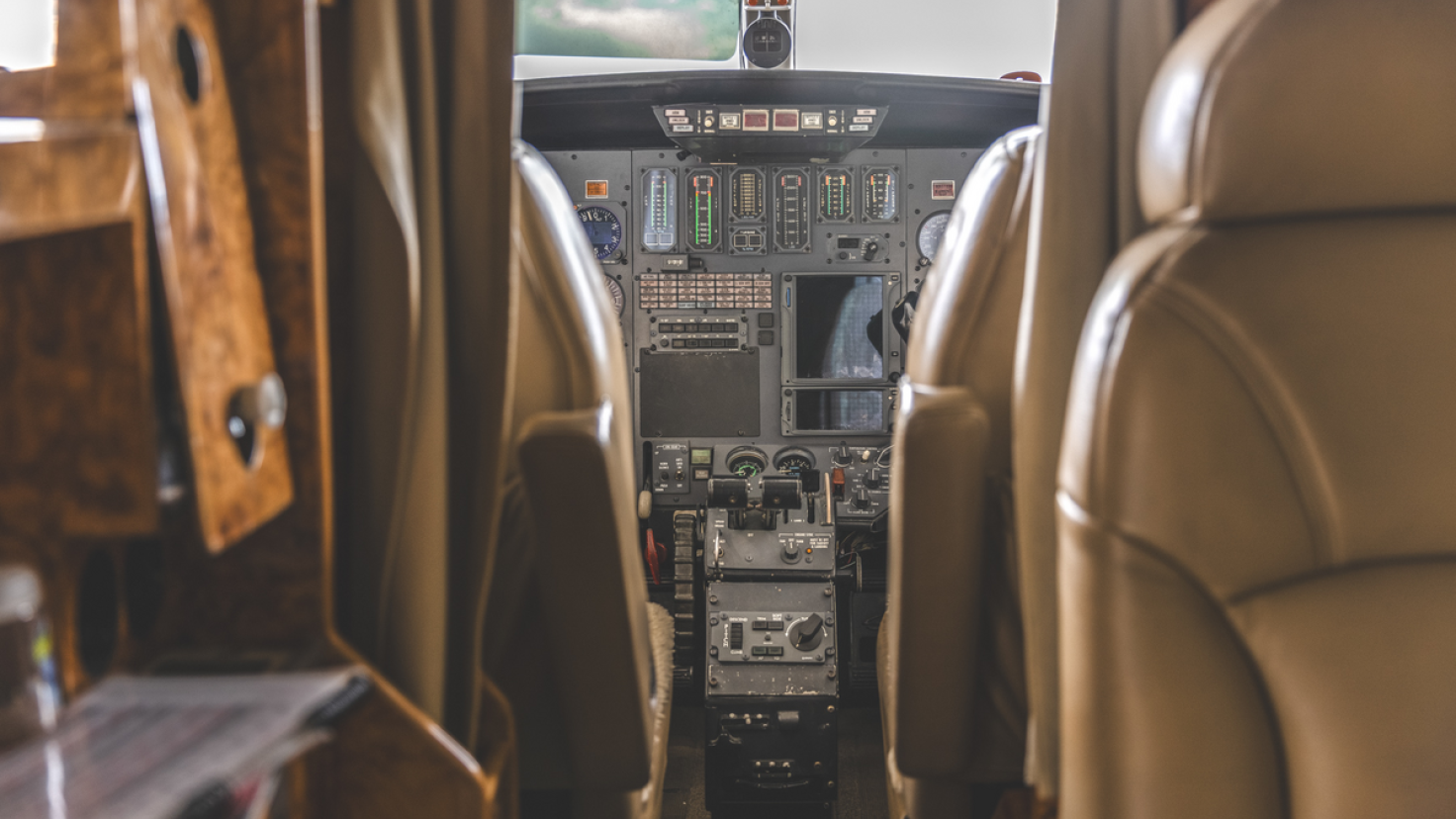
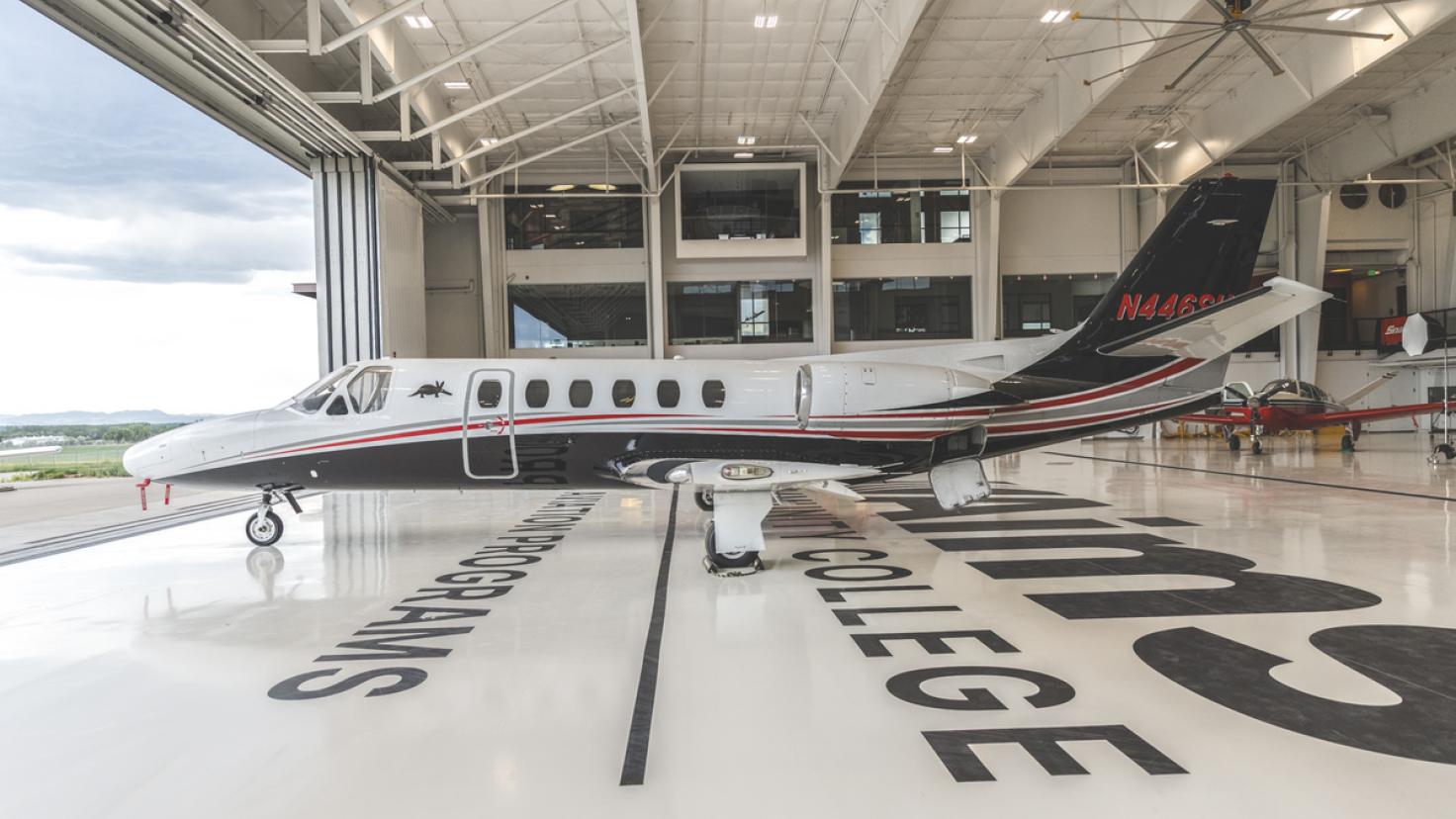
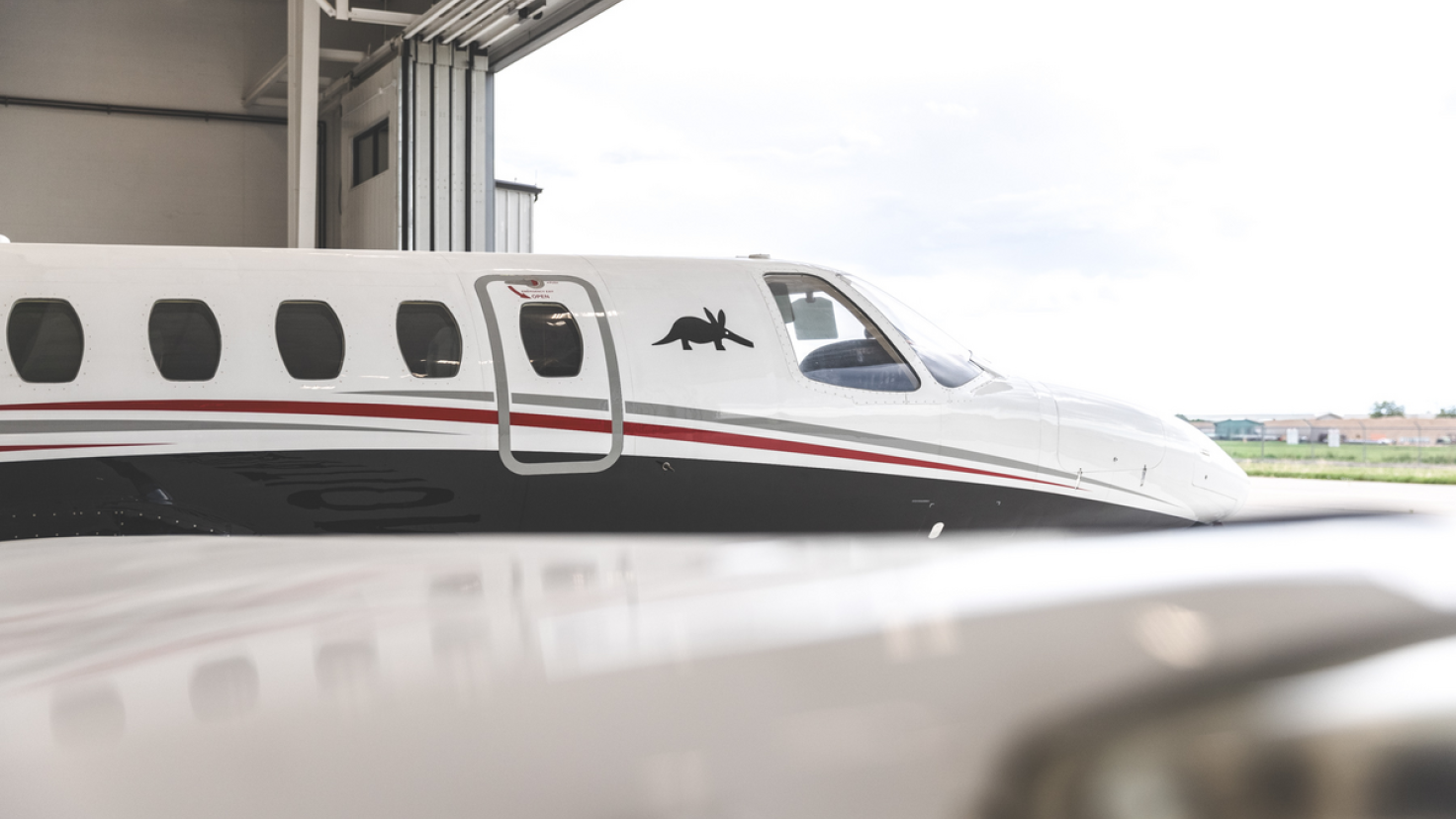
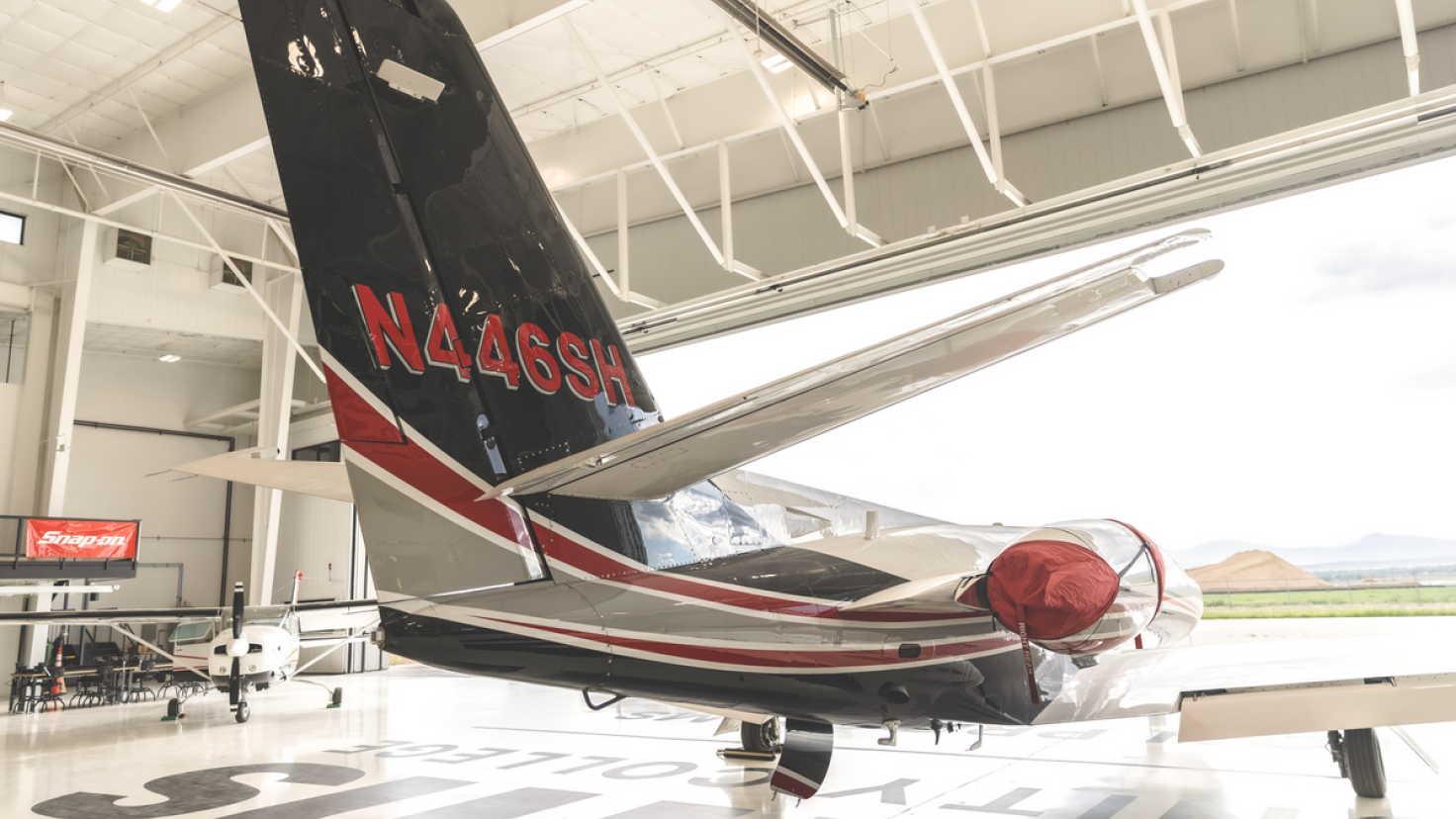
1982 Cessna Model 550 Citation II TwinJet

citation-ii
N446SH

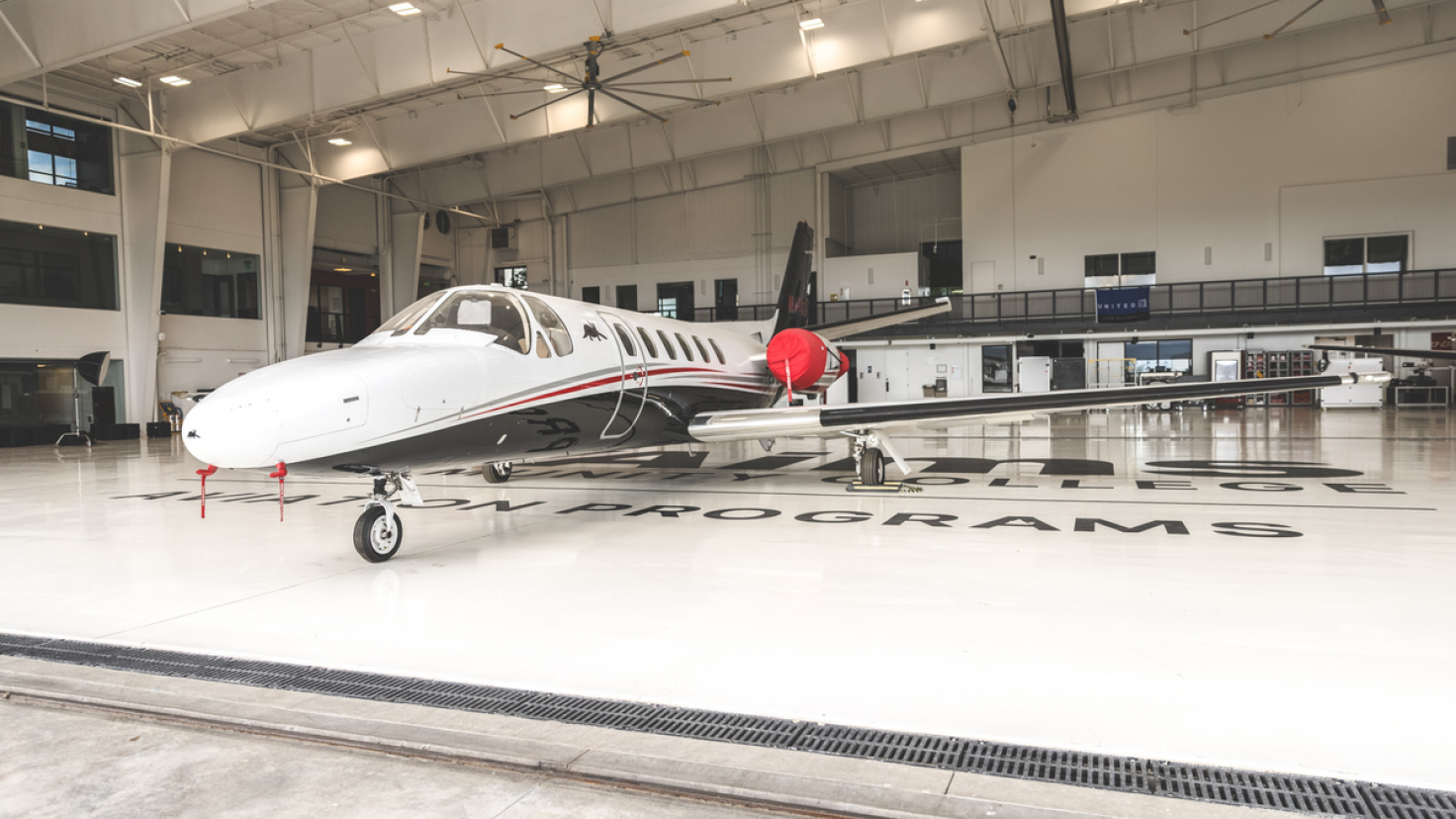
The Citation II was the first model in the Citation series of business jets. It was introduced in 1977 and was in production for over 17 years. Over 1,100 Citation IIs were produced. The Citation II is known for its reliability, fuel efficiency, and performance. It is a popular choice for corporate travel and private ownership.

This aircraft features an 8-passenger executive configuration, upgraded Garmin avionics, and two Pratt & Whitney JT15D engines.

1968 Beechcraft Baron – Model 95-B55 Aircraft

baron
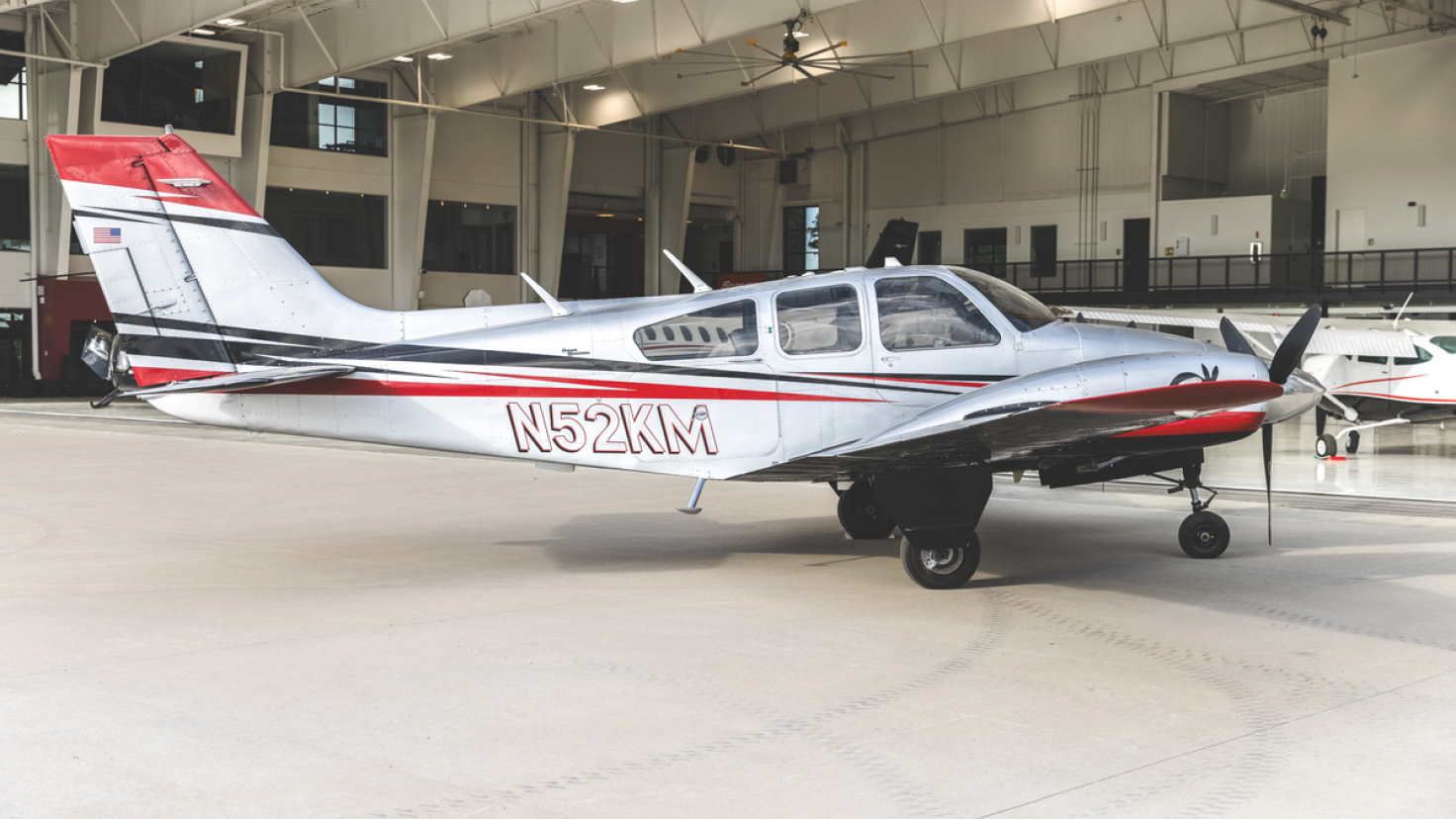
N52KM

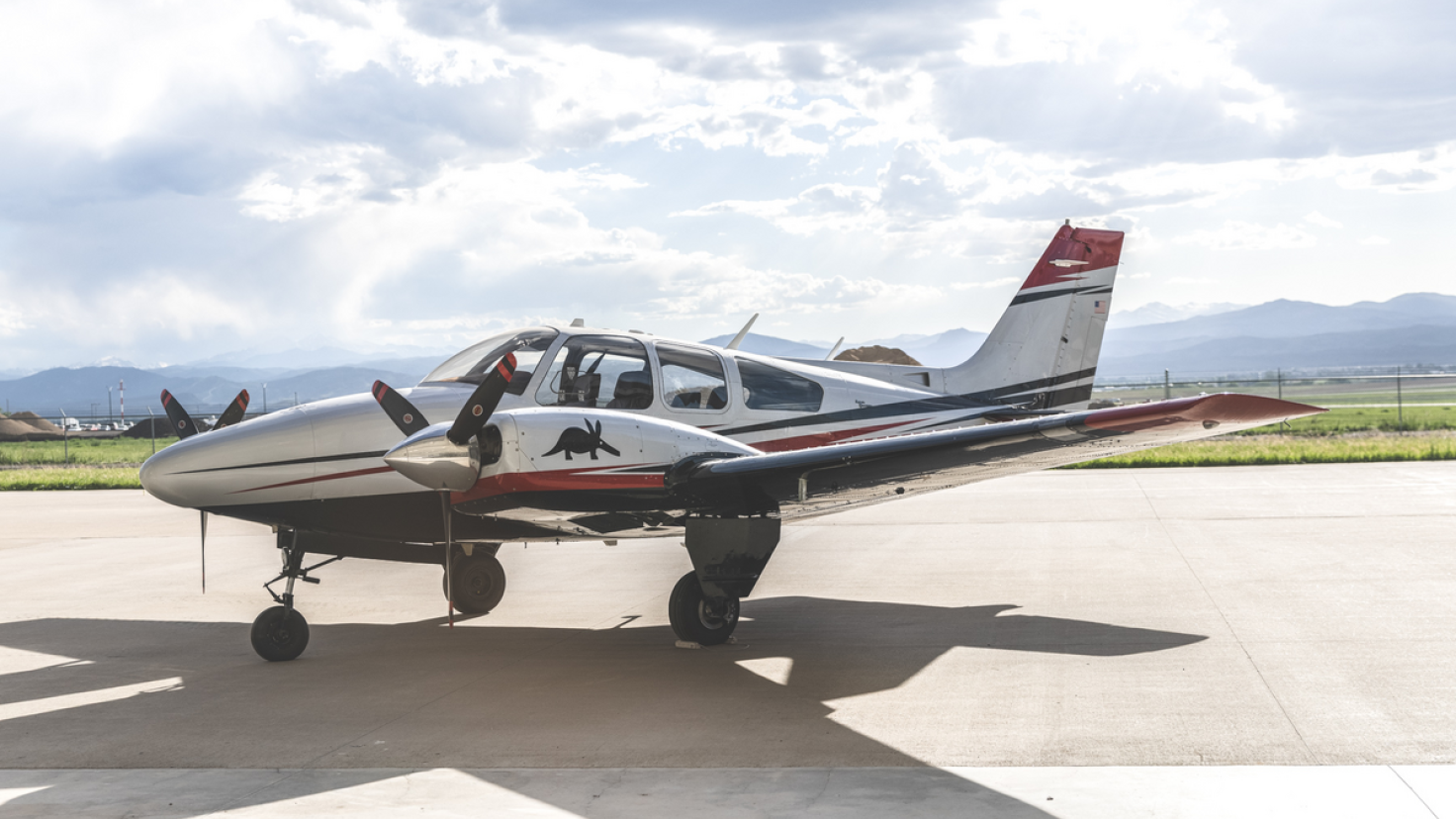
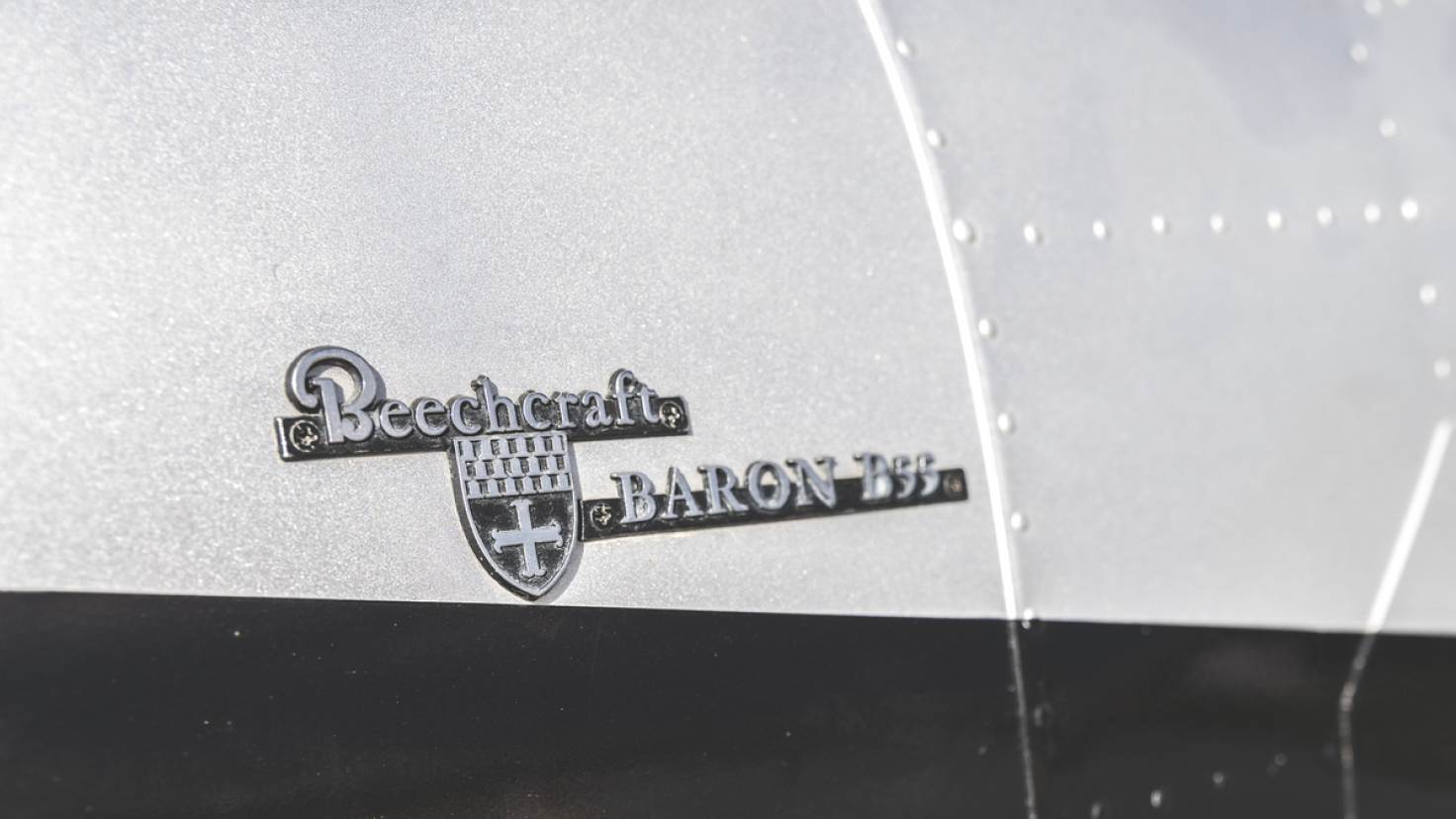
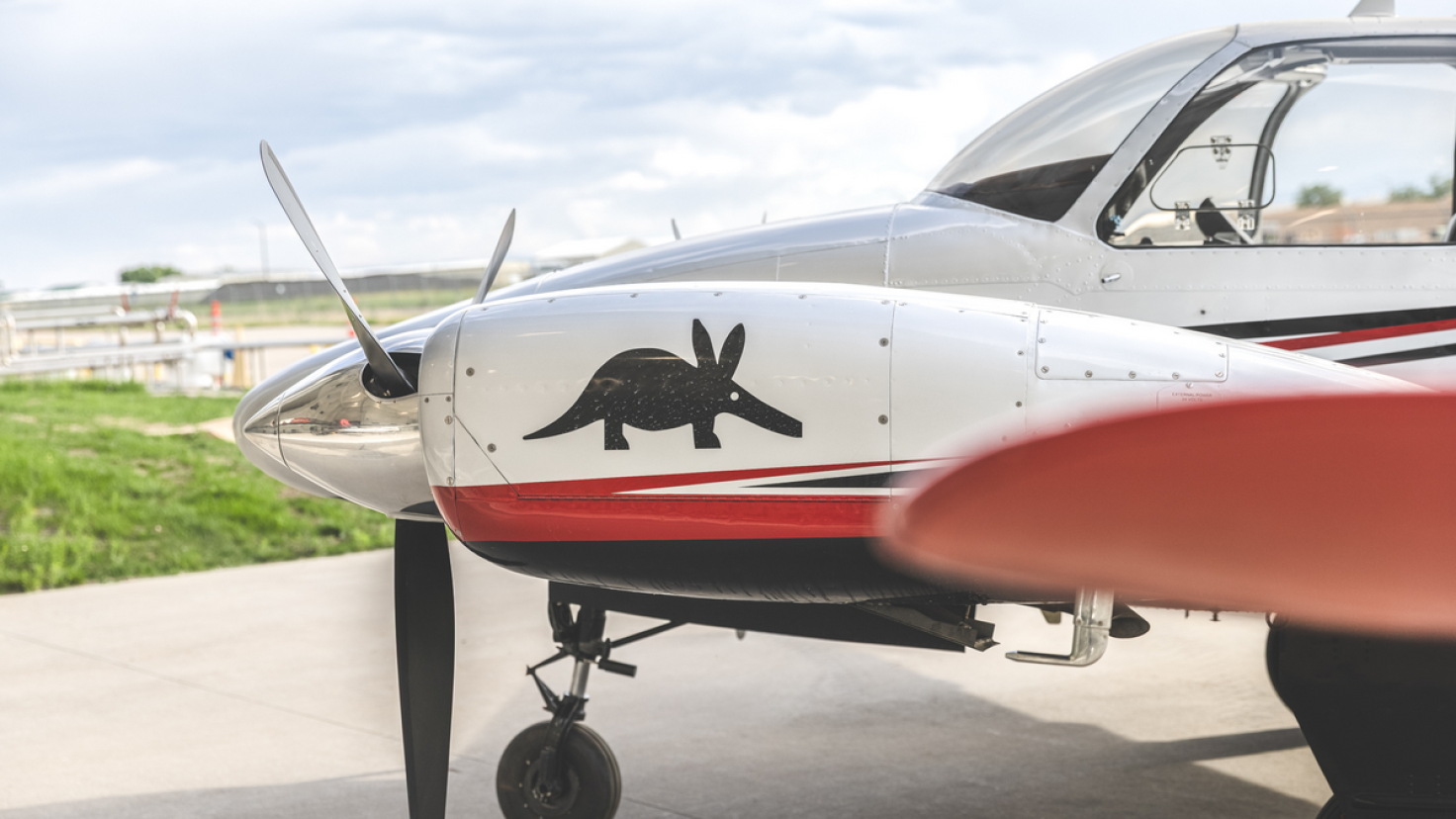
The Beechcraft Baron line traces its lineage directly back to the single-engine Beechcraft Bonanza family and the twin-engine Travel Air. The Beechcraft Baron B55 became one of history's most popular light twin-engine piston aircraft. Powered by dual 260-hp Continental IO-470-L engines, featuring a swept vertical tail, a short-cabin design, and a 5,100-lb gross weight, remaining in production until 1982.

This aircraft has been upgraded with a Colemill President II IO-550 engine conversion and advanced Garmin G500 Avionics Glass Cockpit Suite.

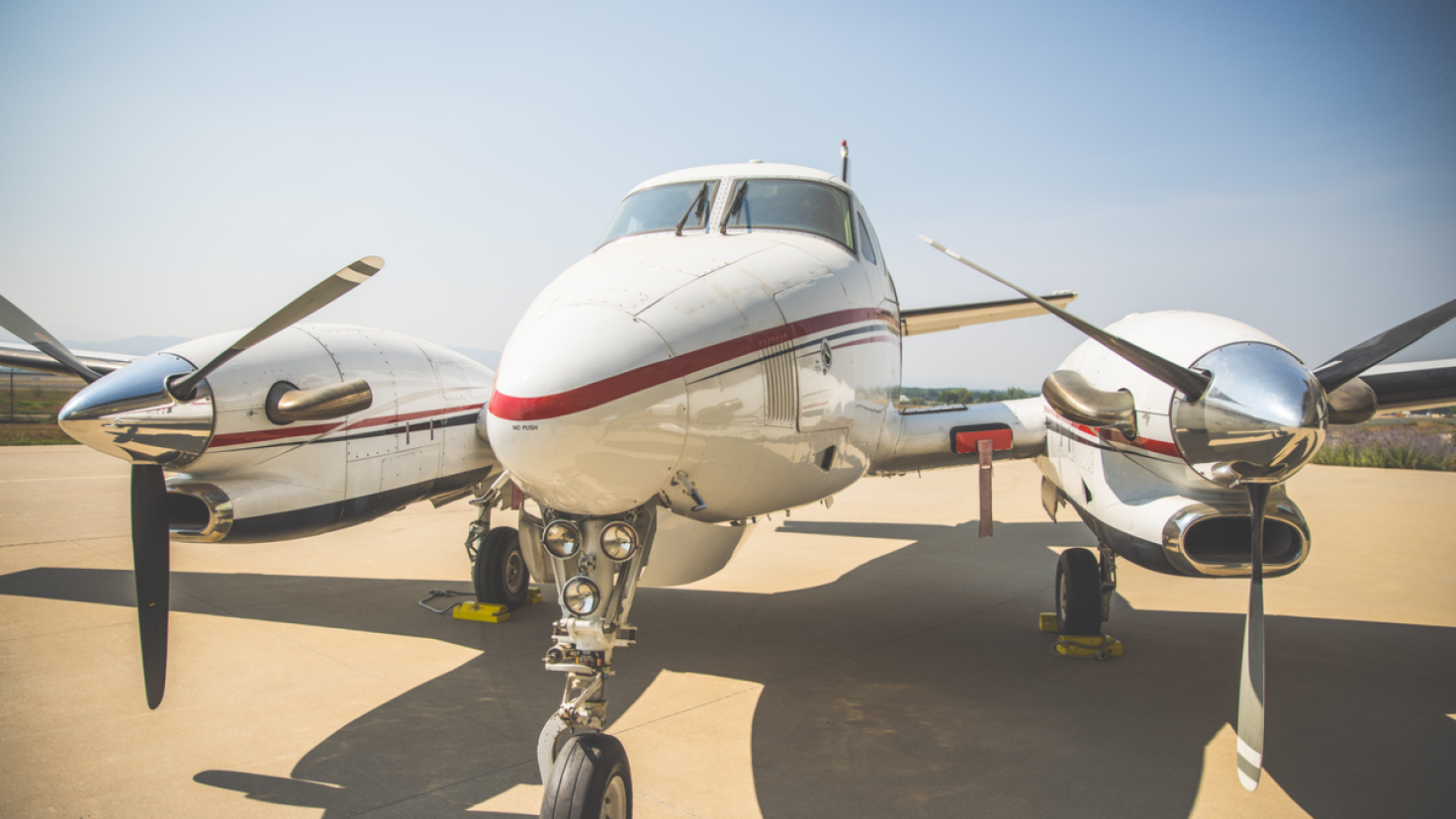
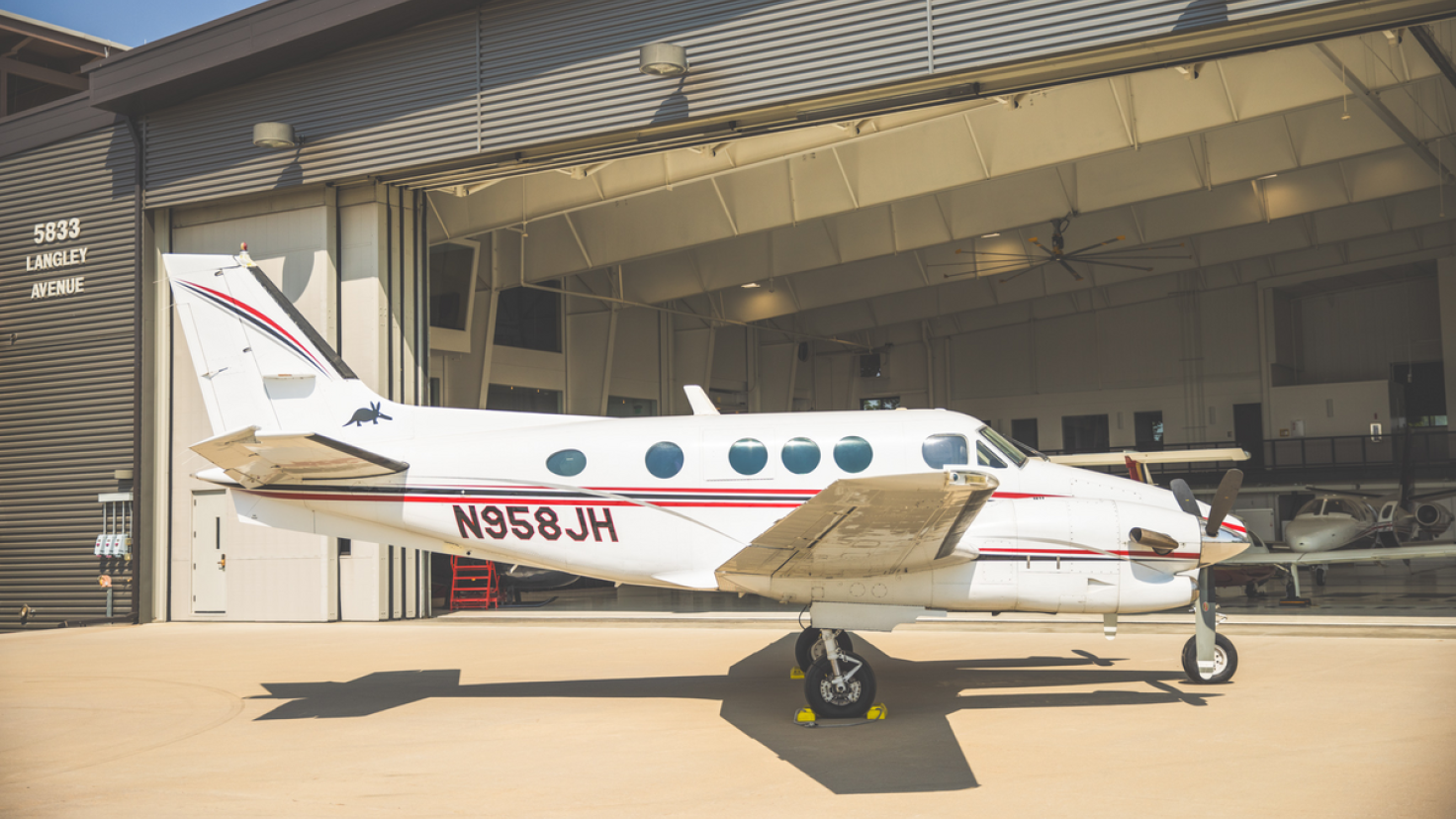
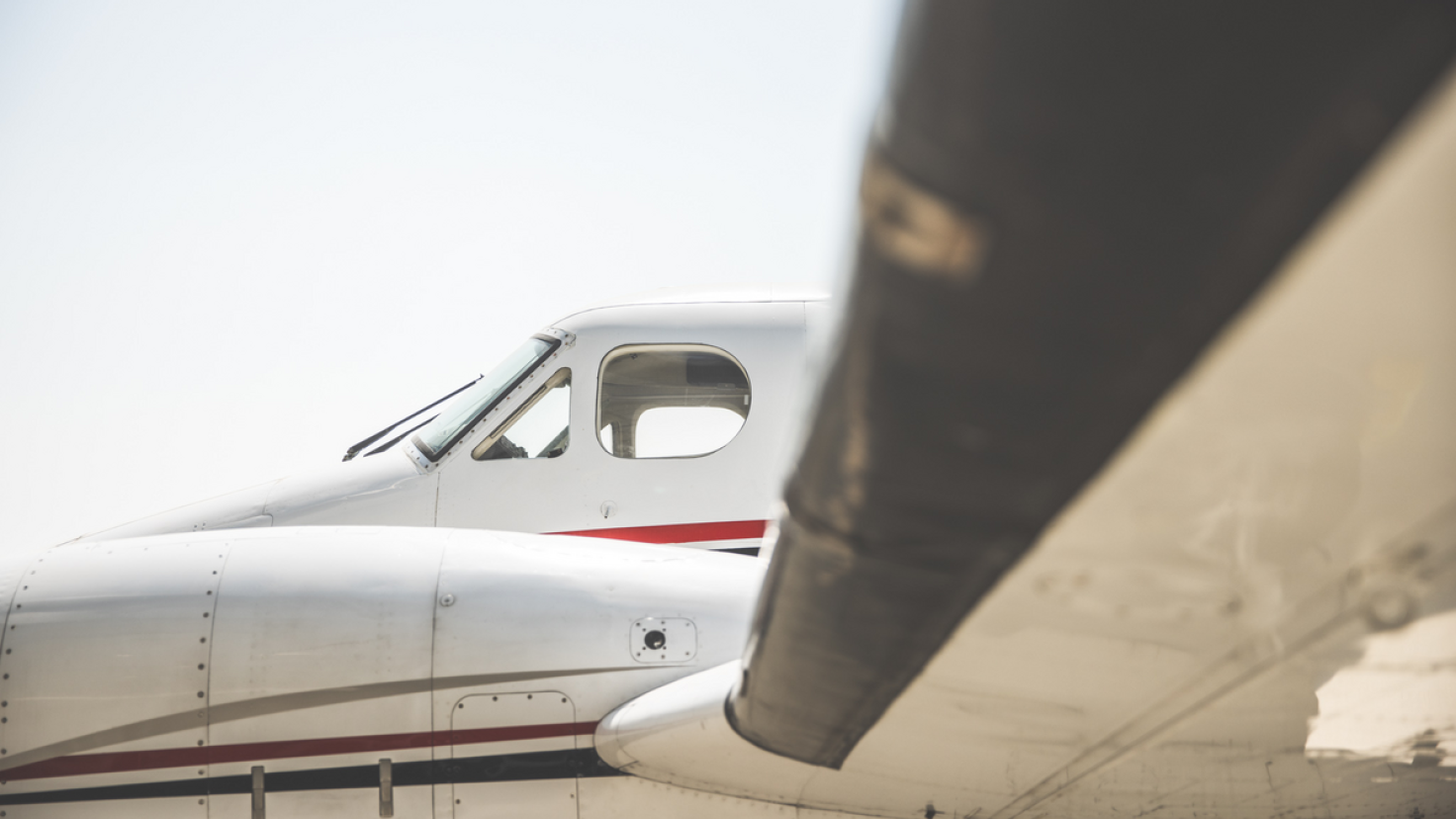
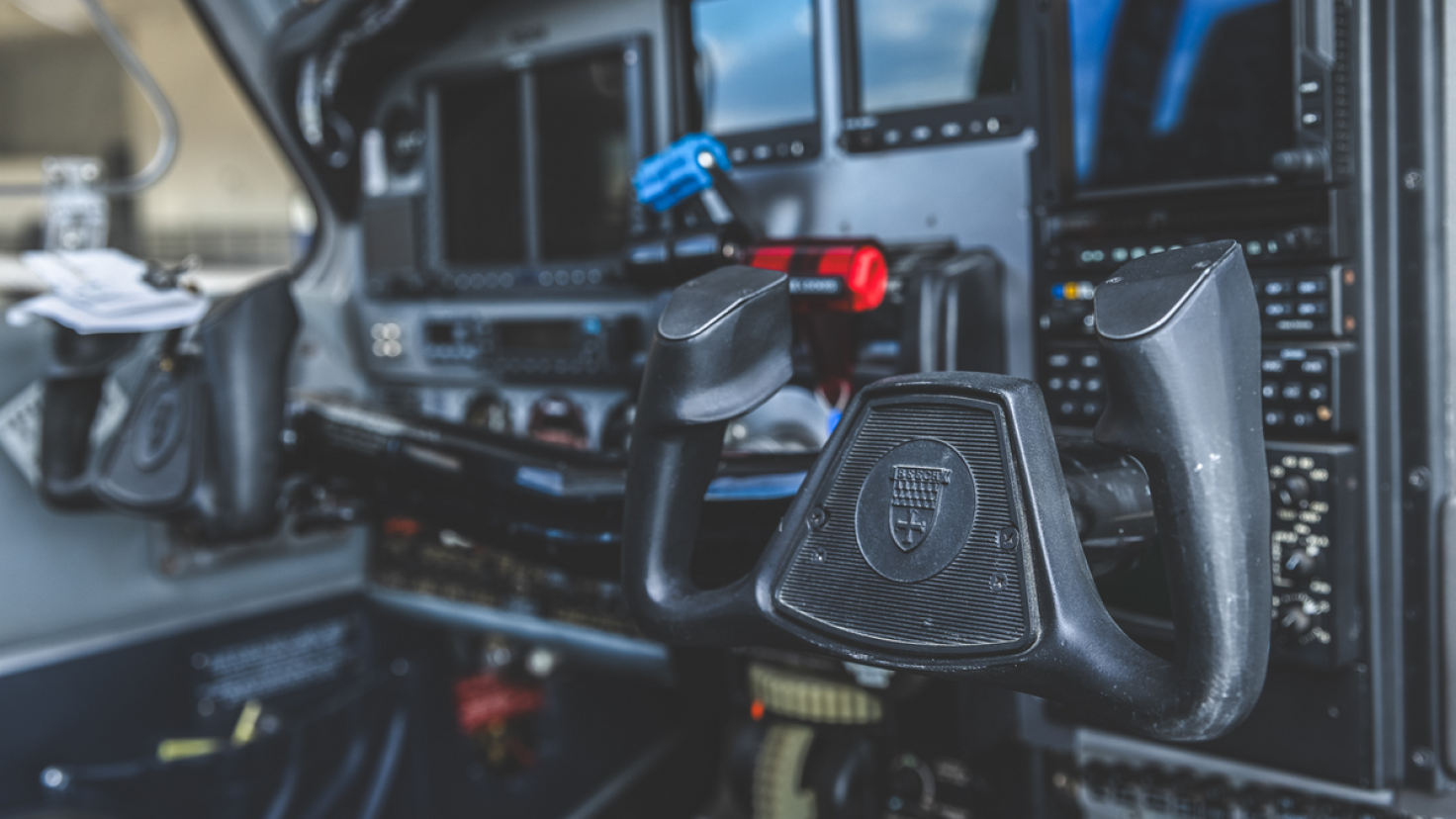
1985 Beechcraft King Air Twin-Turboprop Aircraft

king-air
N958JH

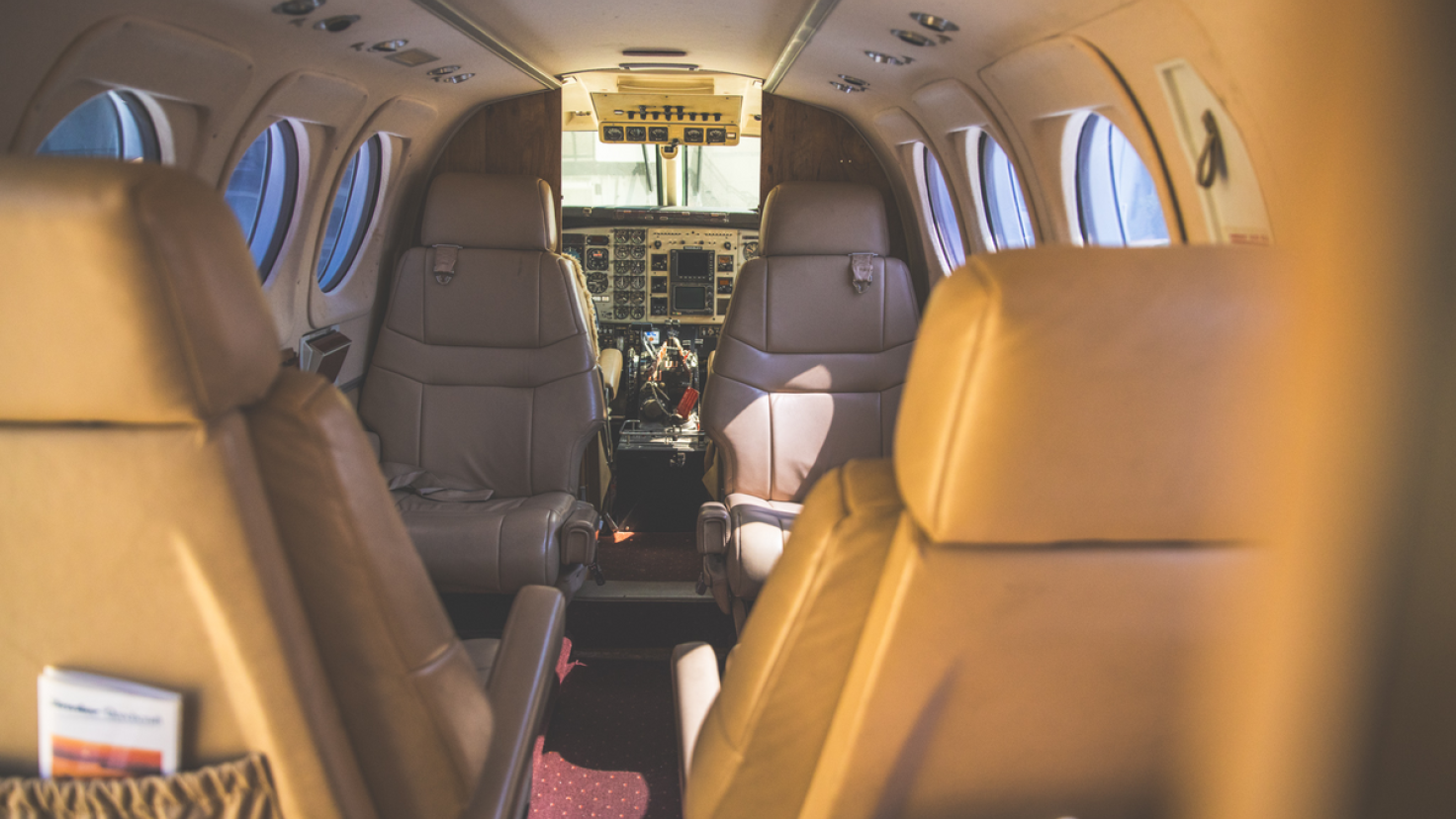
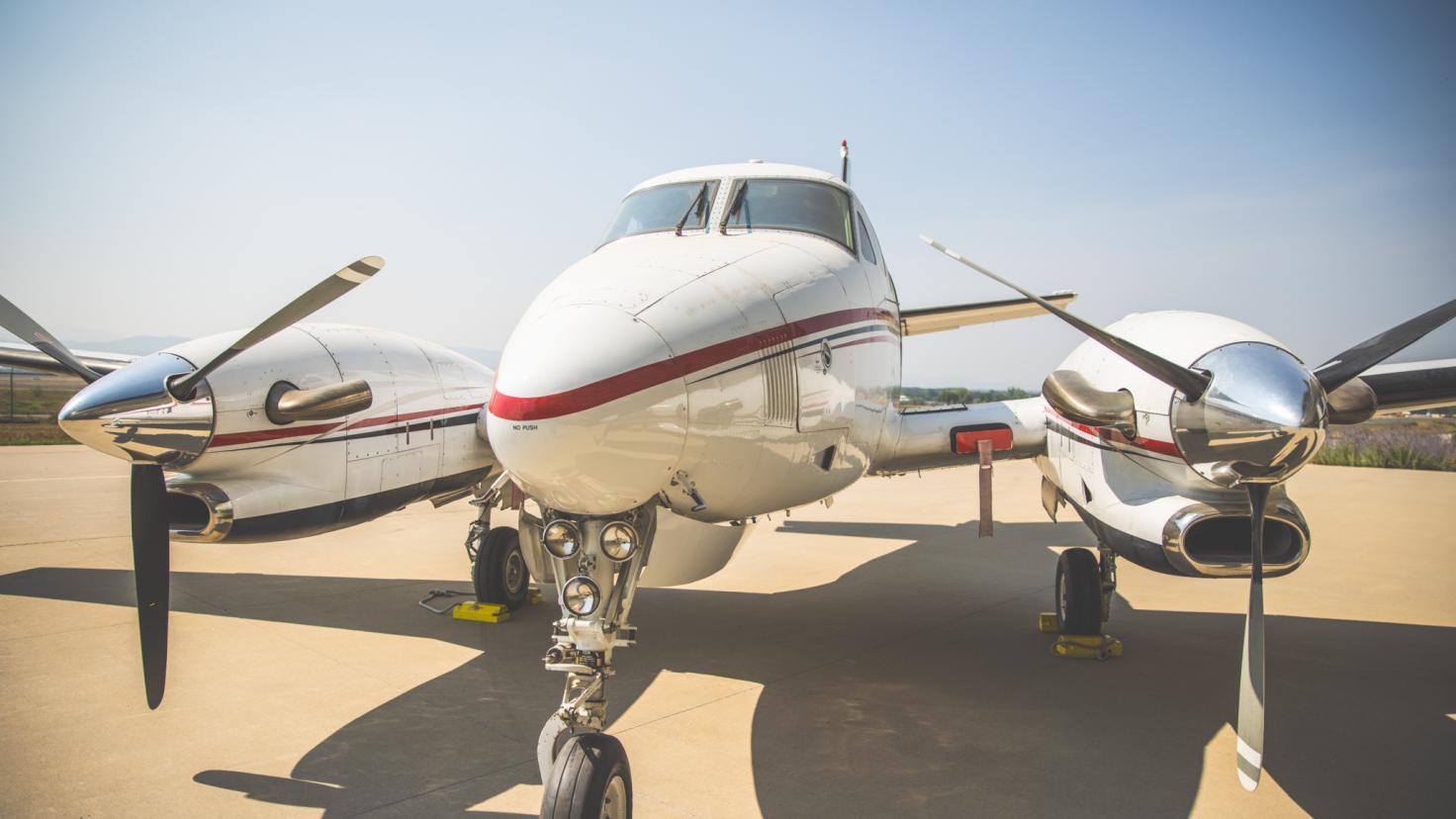
Beech has produced six different basic King Air models, with the 90 series being the smallest. 

The first Model 90 King Air was introduced in 1964; it was basically a Queen Air with turboprops. After its introduction, the 90 series went through a number of airframe and powerplant modifications. The original Model 90 was powered by a Pratt & Whitney PT6 engine. 

In 1976, the C90 received a new engine, the PT6A-21. Another increase in cabin pressure (to 5 psi), a 15-knot cruise speed increase (due to an increase in the interstage turbine temperature [ITT]), a stronger horizontal stabilizer, and a new cabin door (borrowed from the King Air 200) was introduced in 1982 on the C90-1. The C90A brought redesigned engine cowlings that reduced drag and boosted ram airflow to the engines (resulting in a 12-knot increase in cruise speed), an electrical landing gear system, and a rudder boost system that eased the pilot workload during single-engine operations. Also included on this model (due to concerns about wing strength and cracking wing bolts) was a bonded spar cap, running the length of the wing using shear fittings instead of bolts.


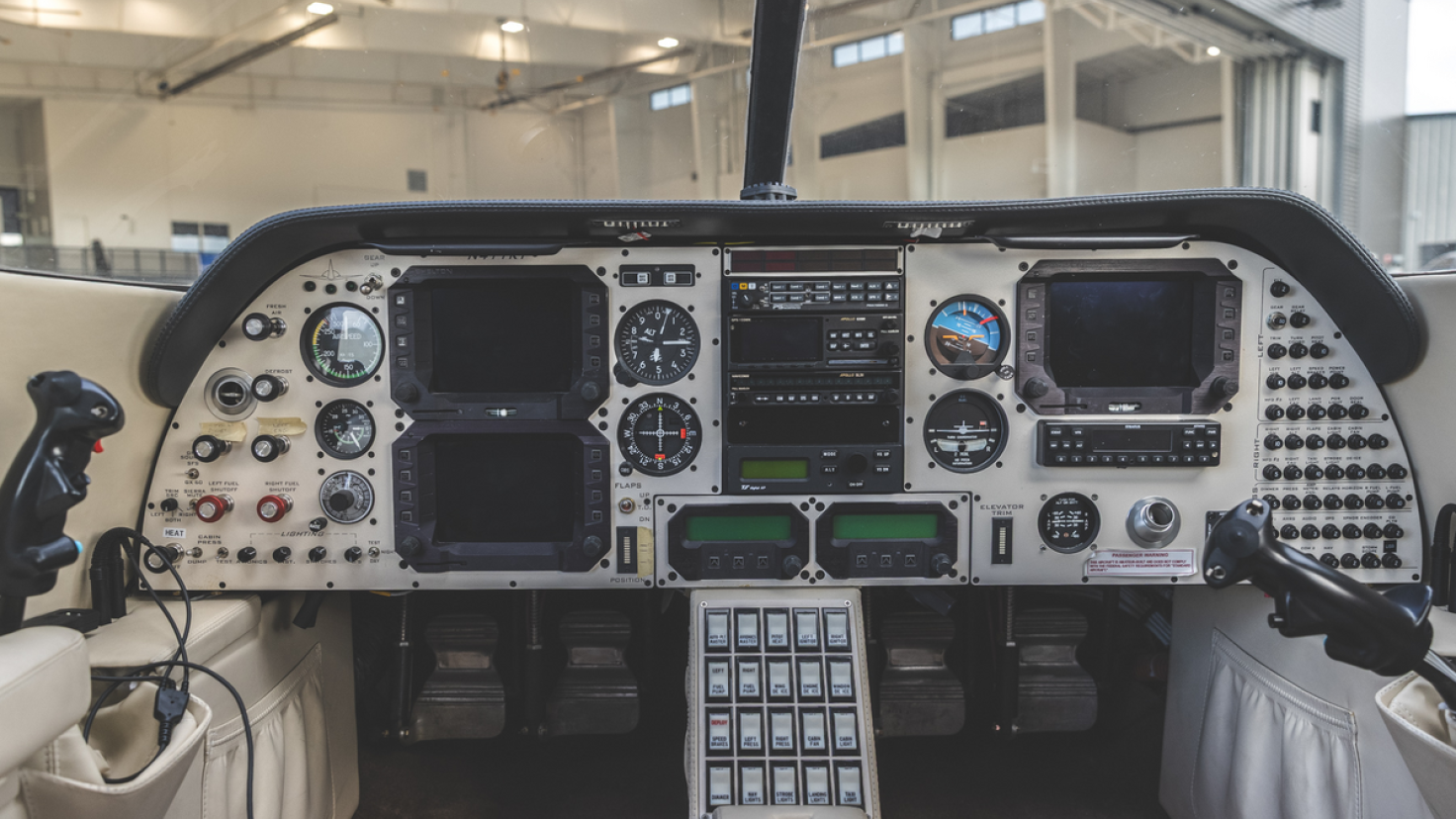
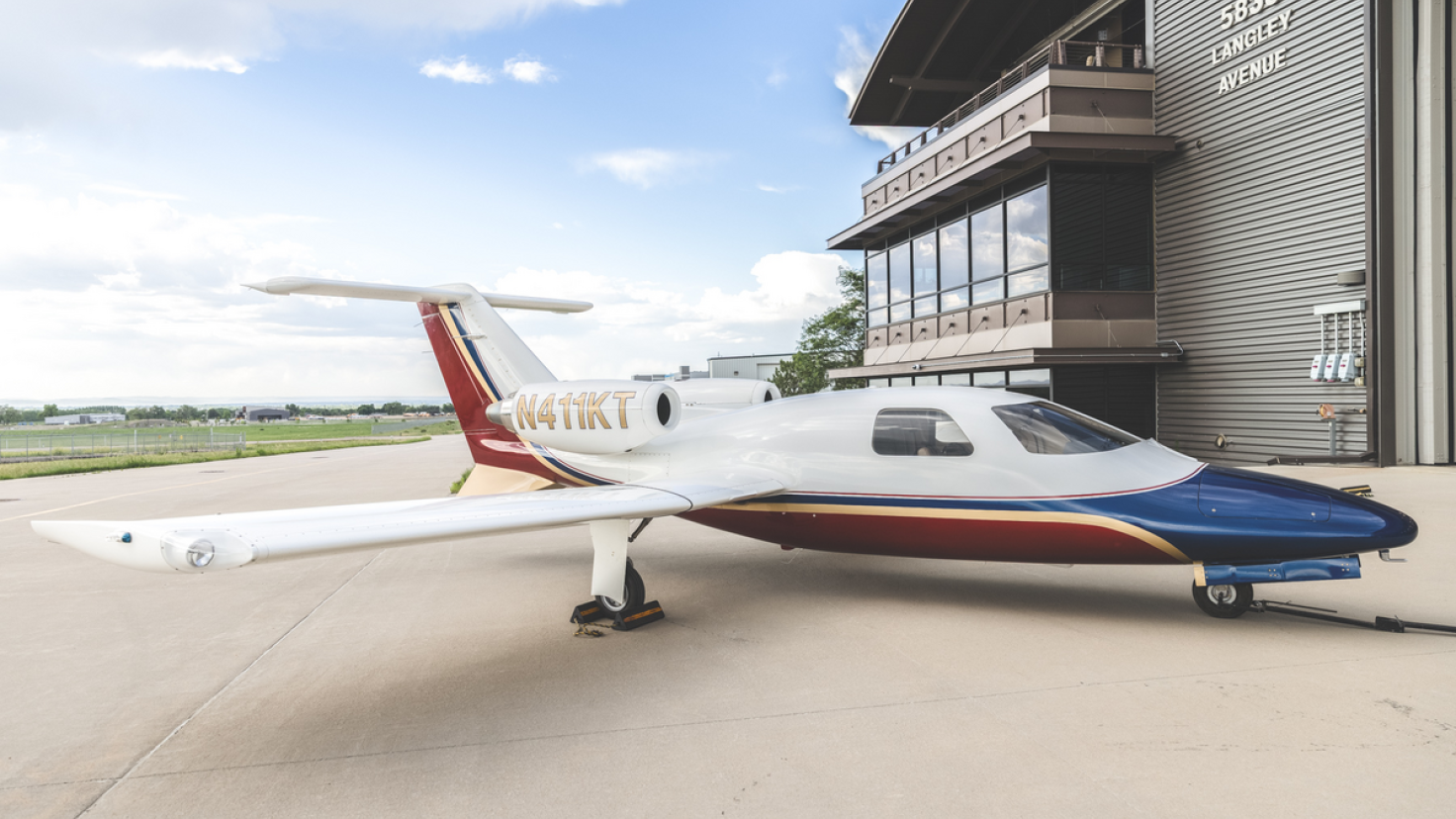
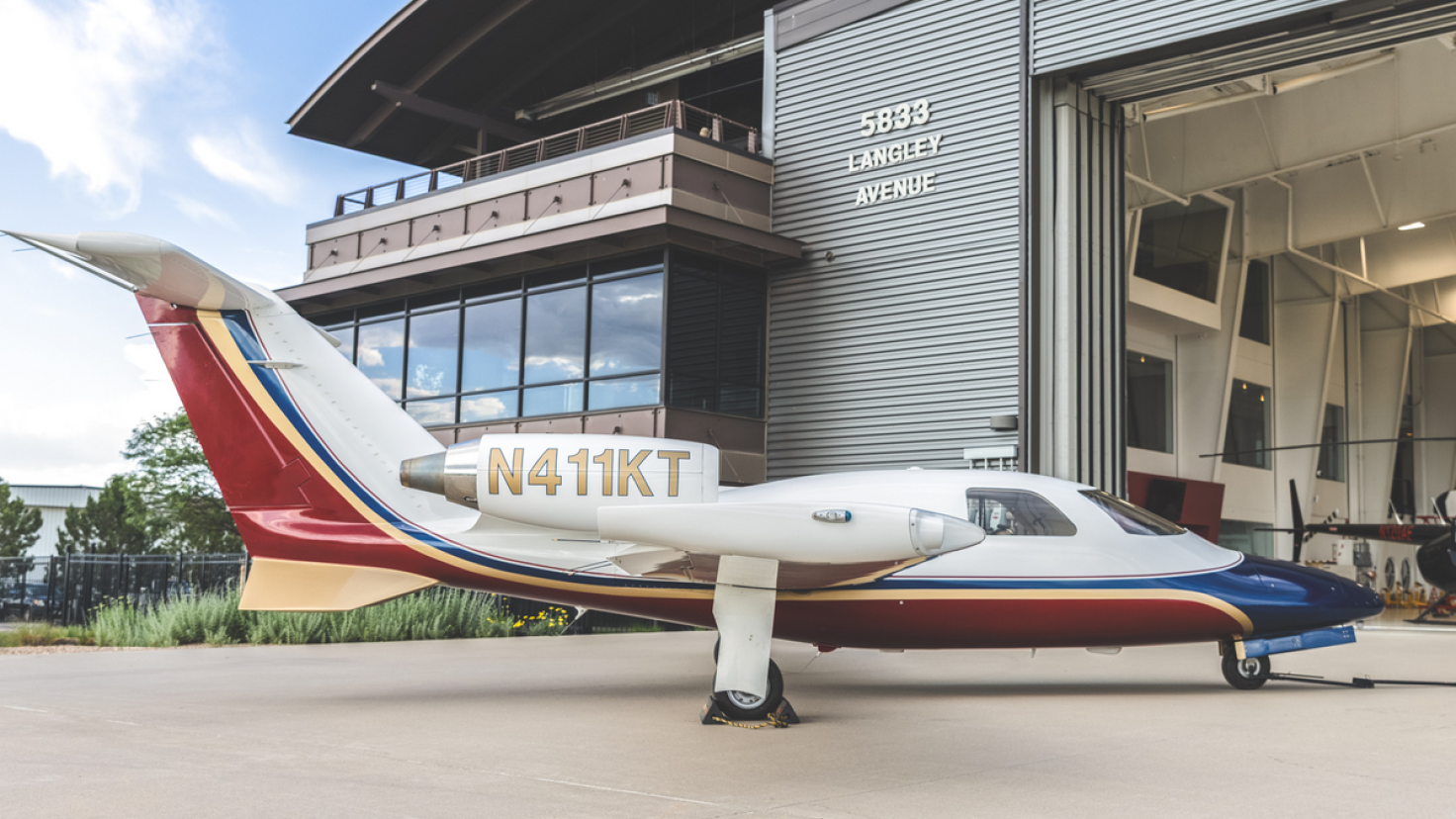
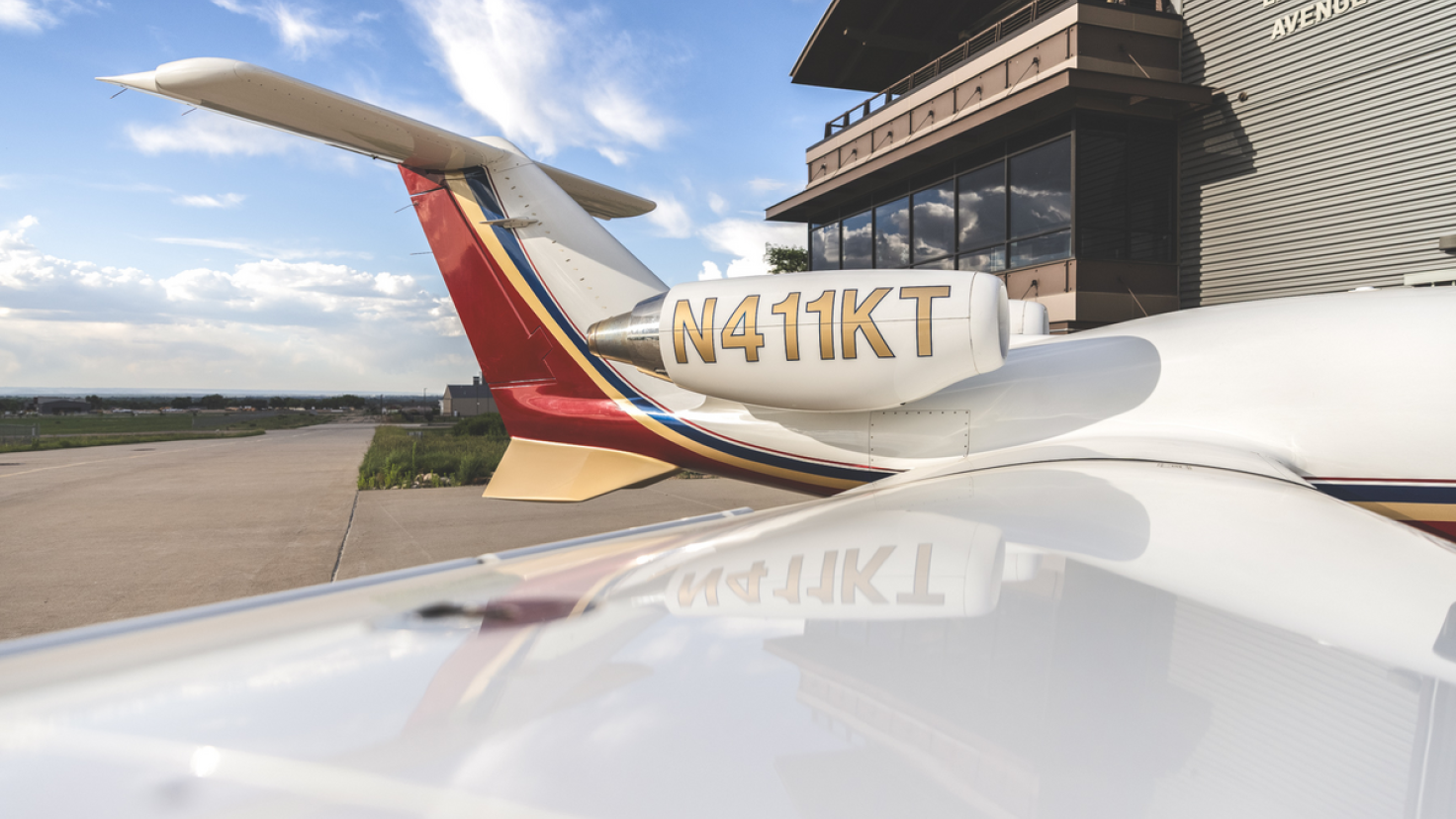
2007 Maverick Twinjet (Experimental) Aircraft

twinjet
N411KT

Maverick TwinJet 1500 aircraft was originally an experimental amateur built five place twin jet. Construction is composite FRP, powered by two modified GE T-58 turbojet engines. Aircraft is a low wing, ‘T’ tail design with conventional side-stick operated flight controls.
Four planes have been put in the air; The first prototype was flight tested to about 370 knots during a series of tests to determine if the aircraft had any major certification-related problems. Two are still flying today and this aircraft is one of only two remaining in operation.

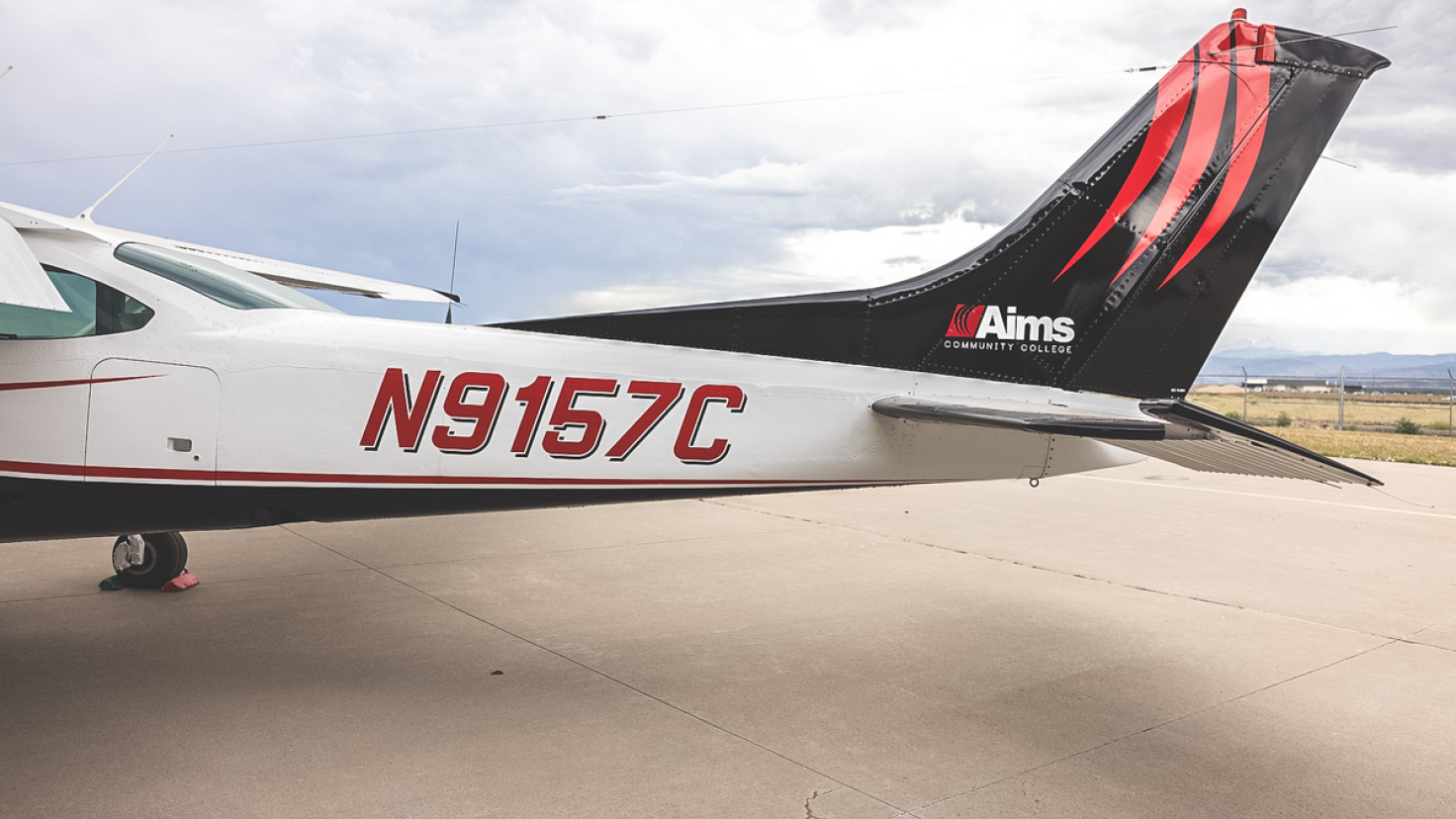
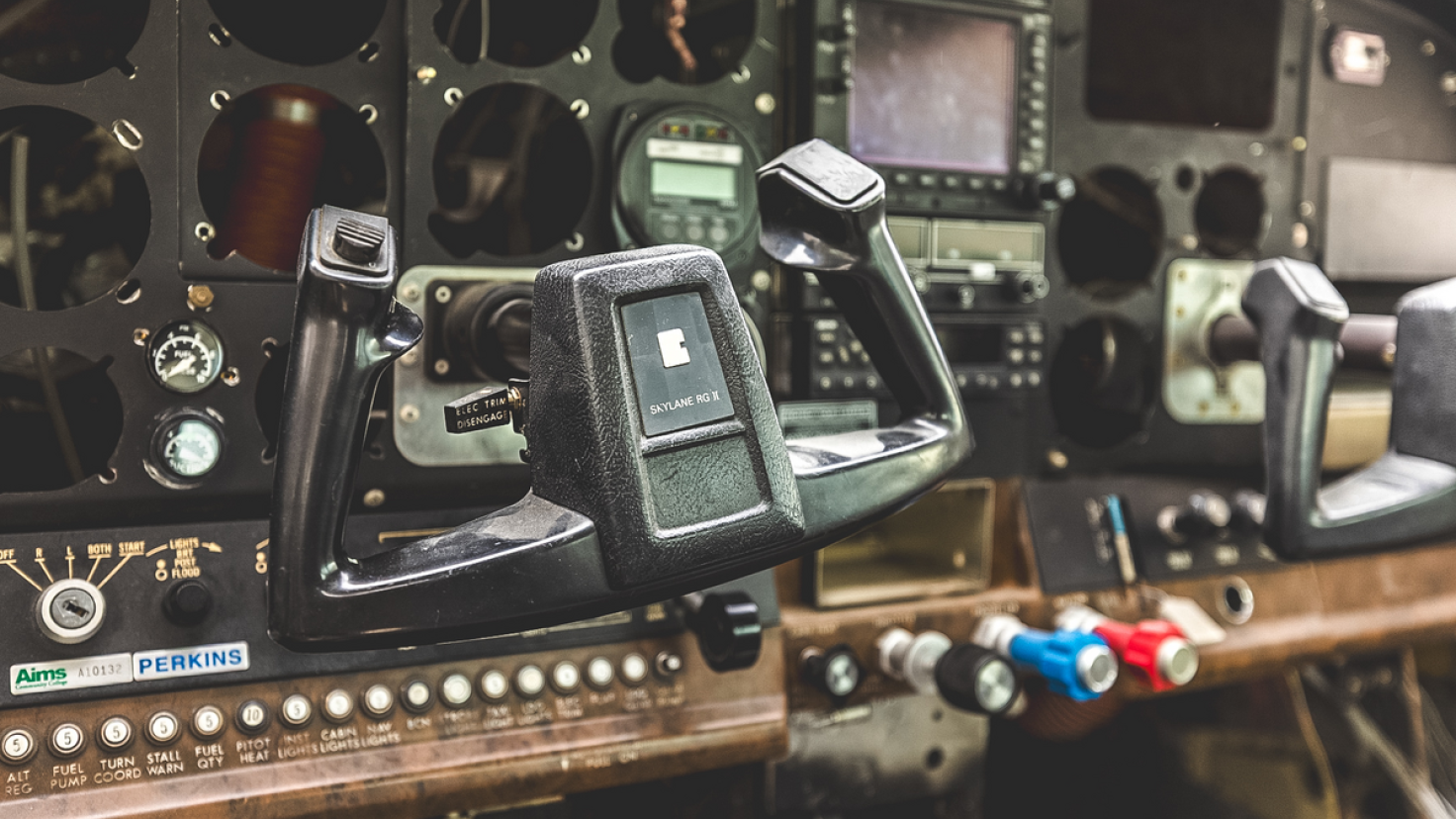
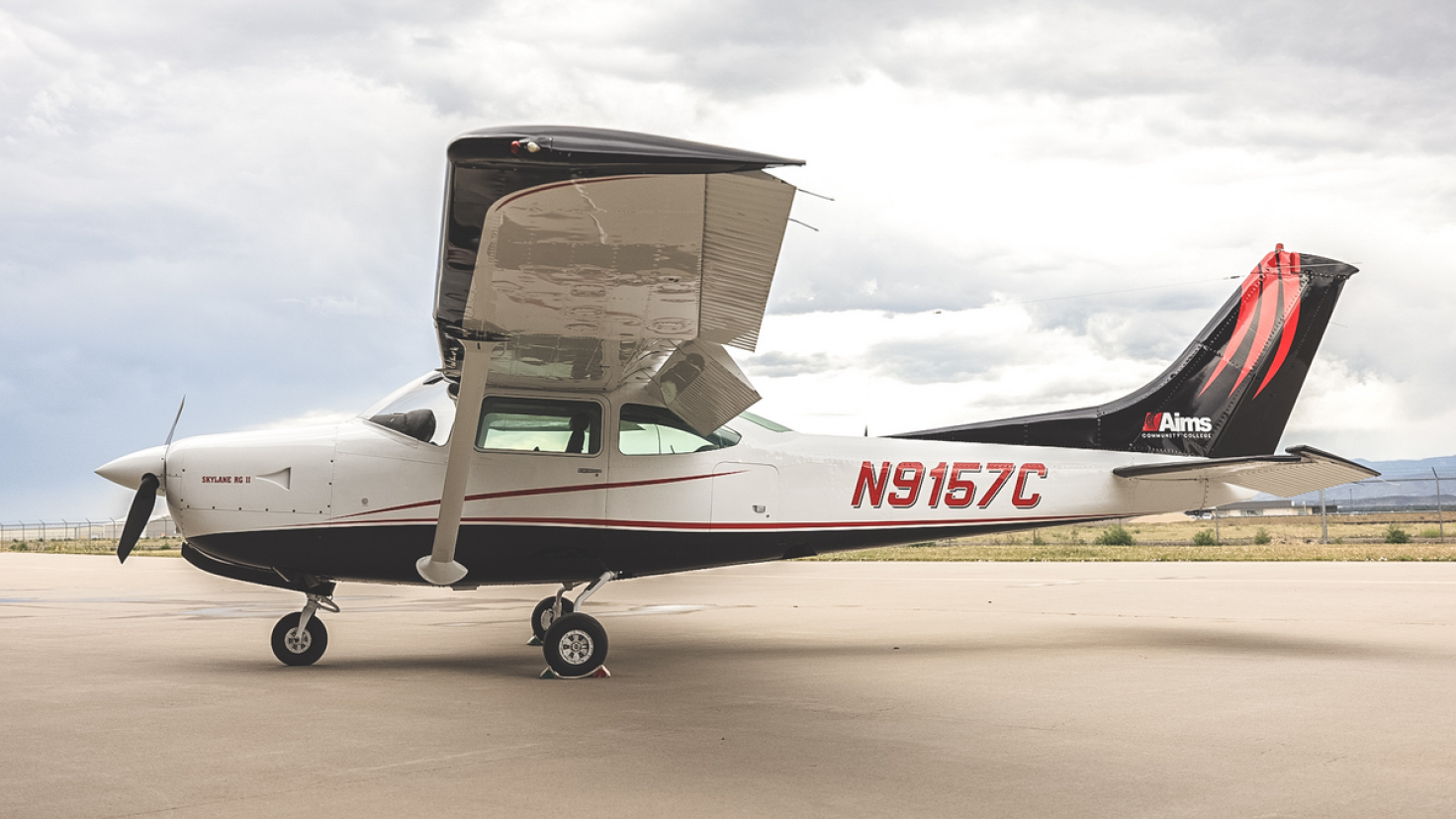
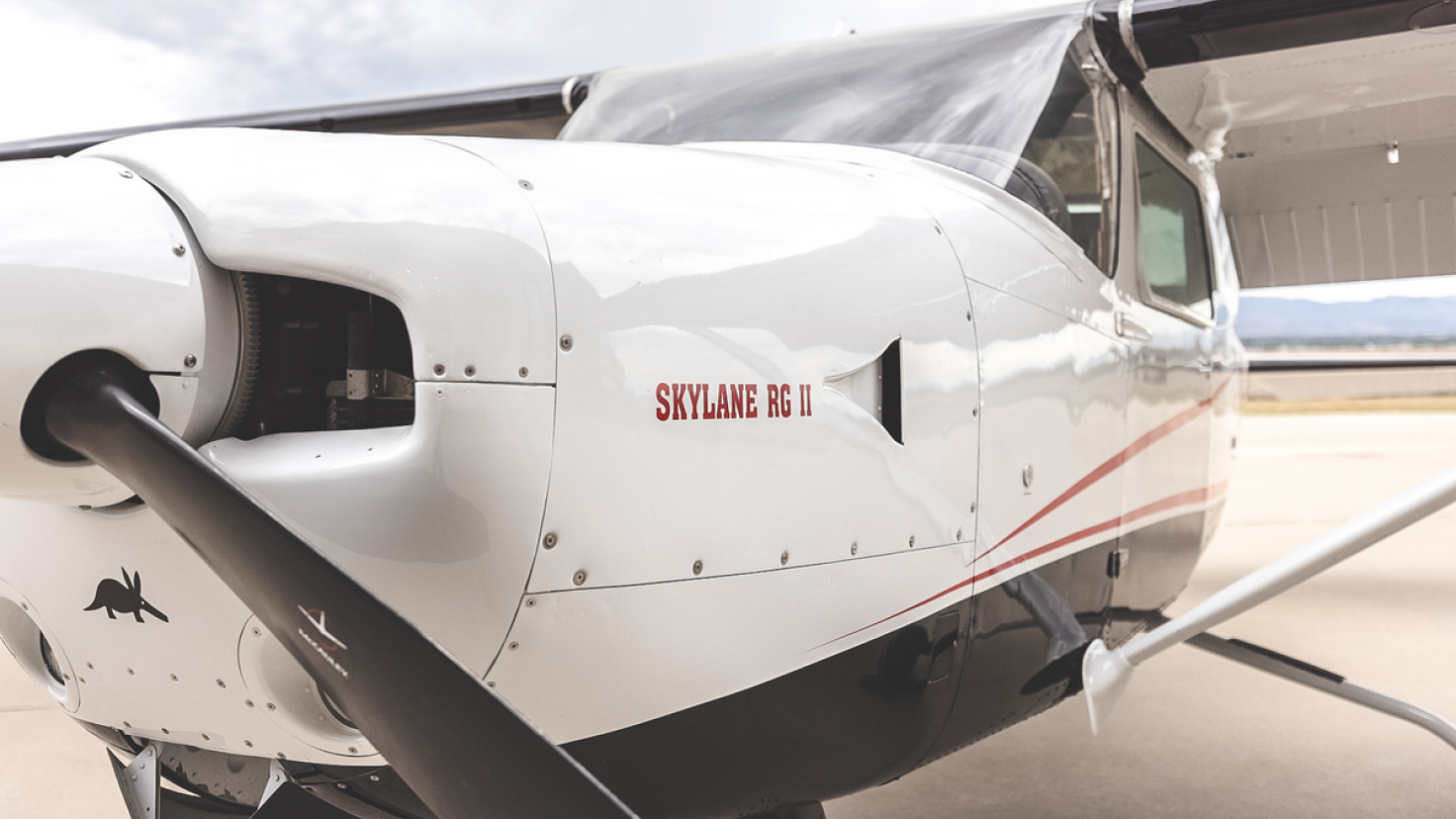
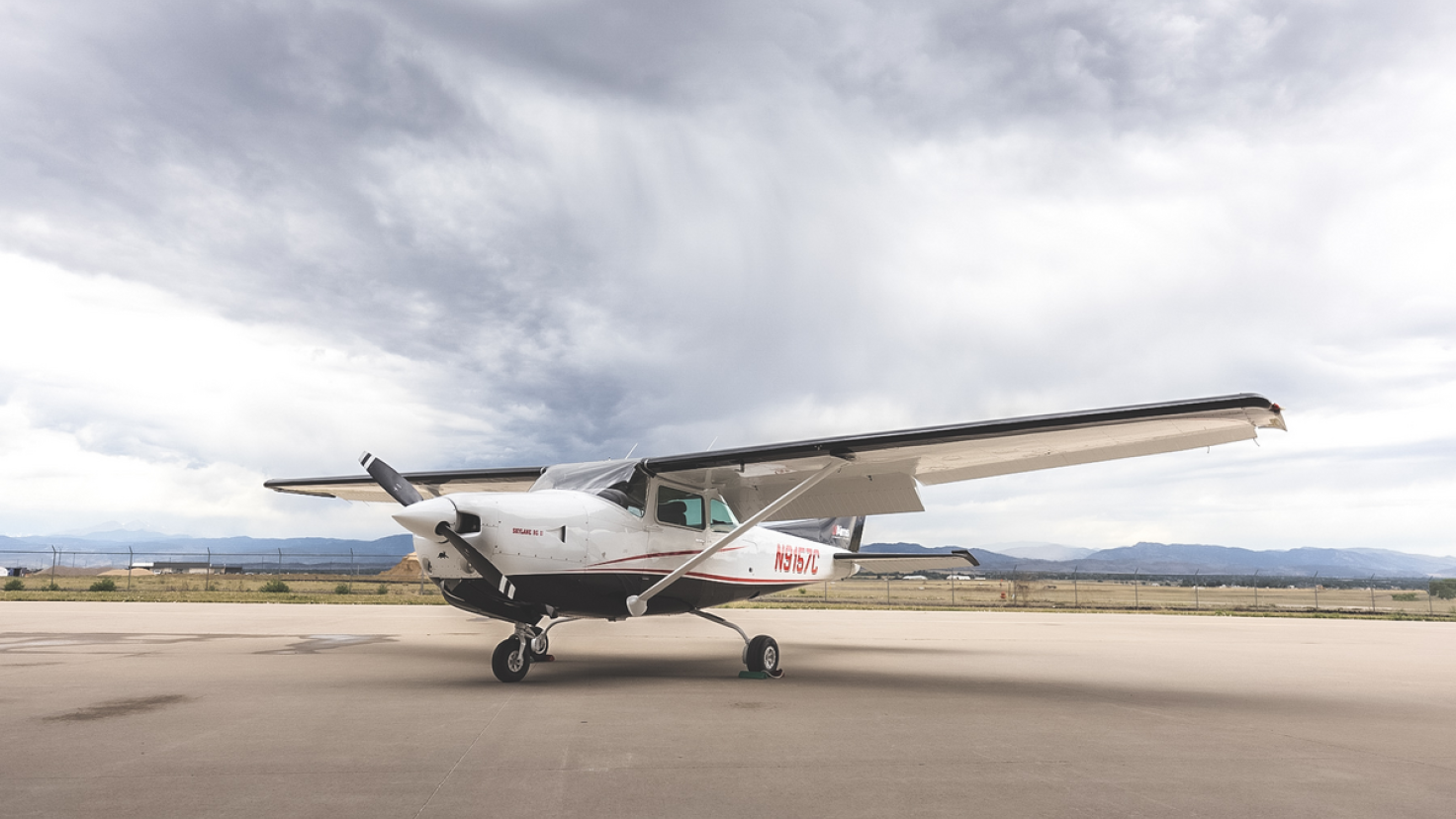
1978 Cessna C182RG Skylane II Aircraft

skyline-ii
N9157C

Cessna 182 Skylane family expanded significantly in 1978 with the debut of the R182 Skylane RG (Retractable Gear), providing a faster, higher-performance alternative to the classic fixed-gear Cessna 182Q Skylane. Built strictly from 1978 through 1986, when rising product liability insurance pressures forced Cessna to temporarily halt all piston aircraft manufacturing, the aircraft features a 235-horsepower Lycoming O-540 engine and electro-hydraulic retractable landing gear, boosting cruise speeds by roughly 10 to 15 knots over its traditional sibling. 

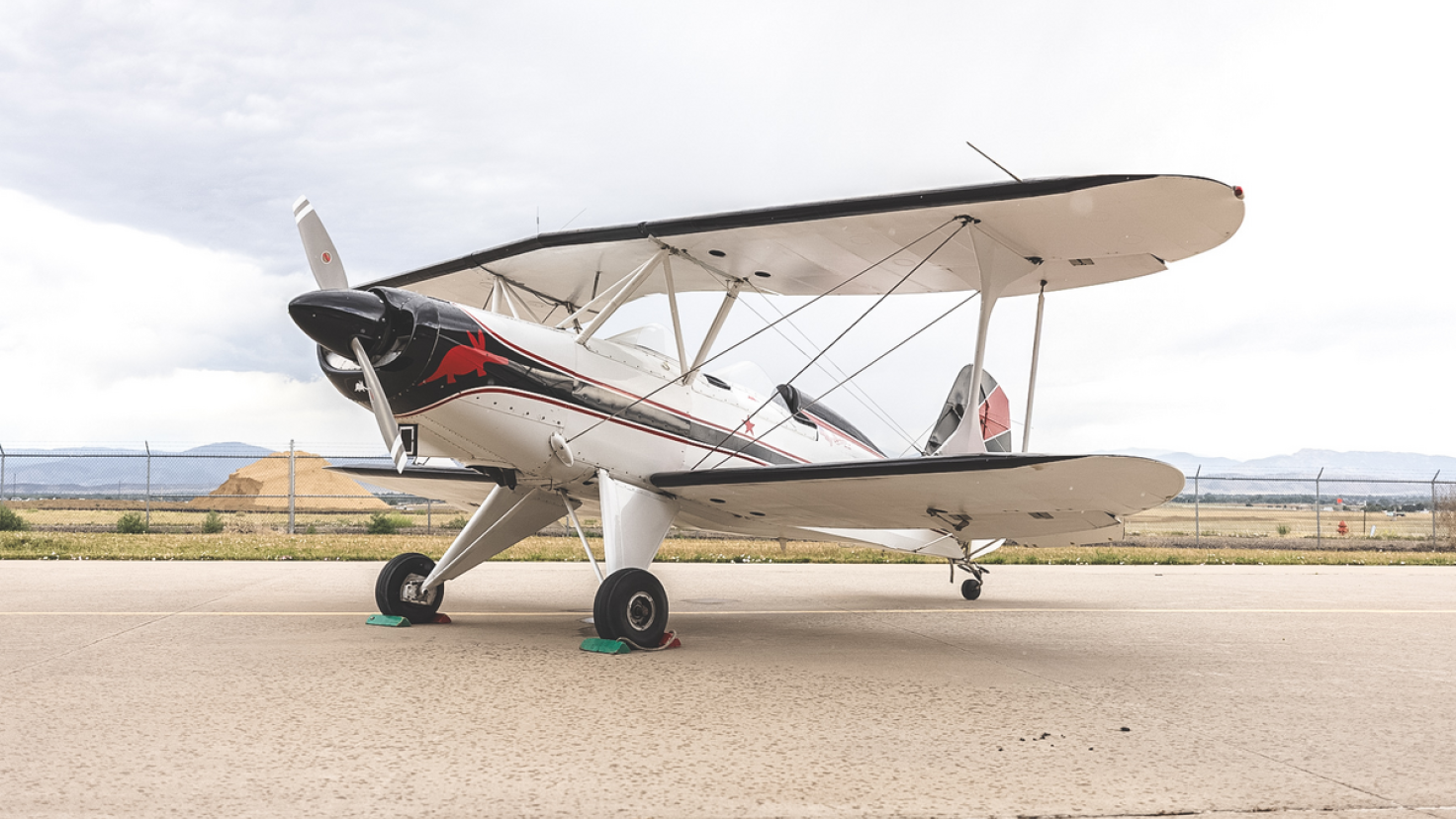
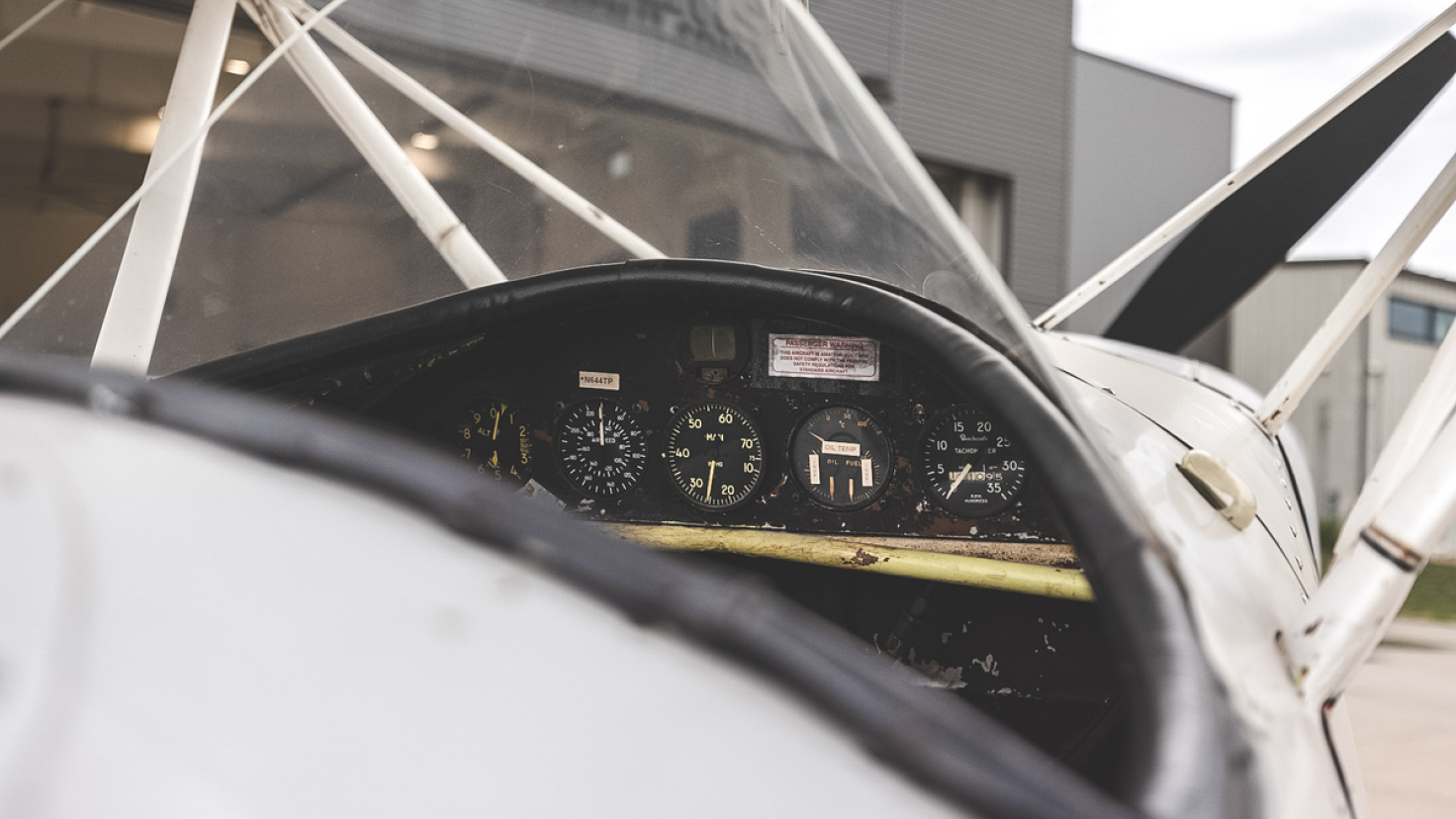
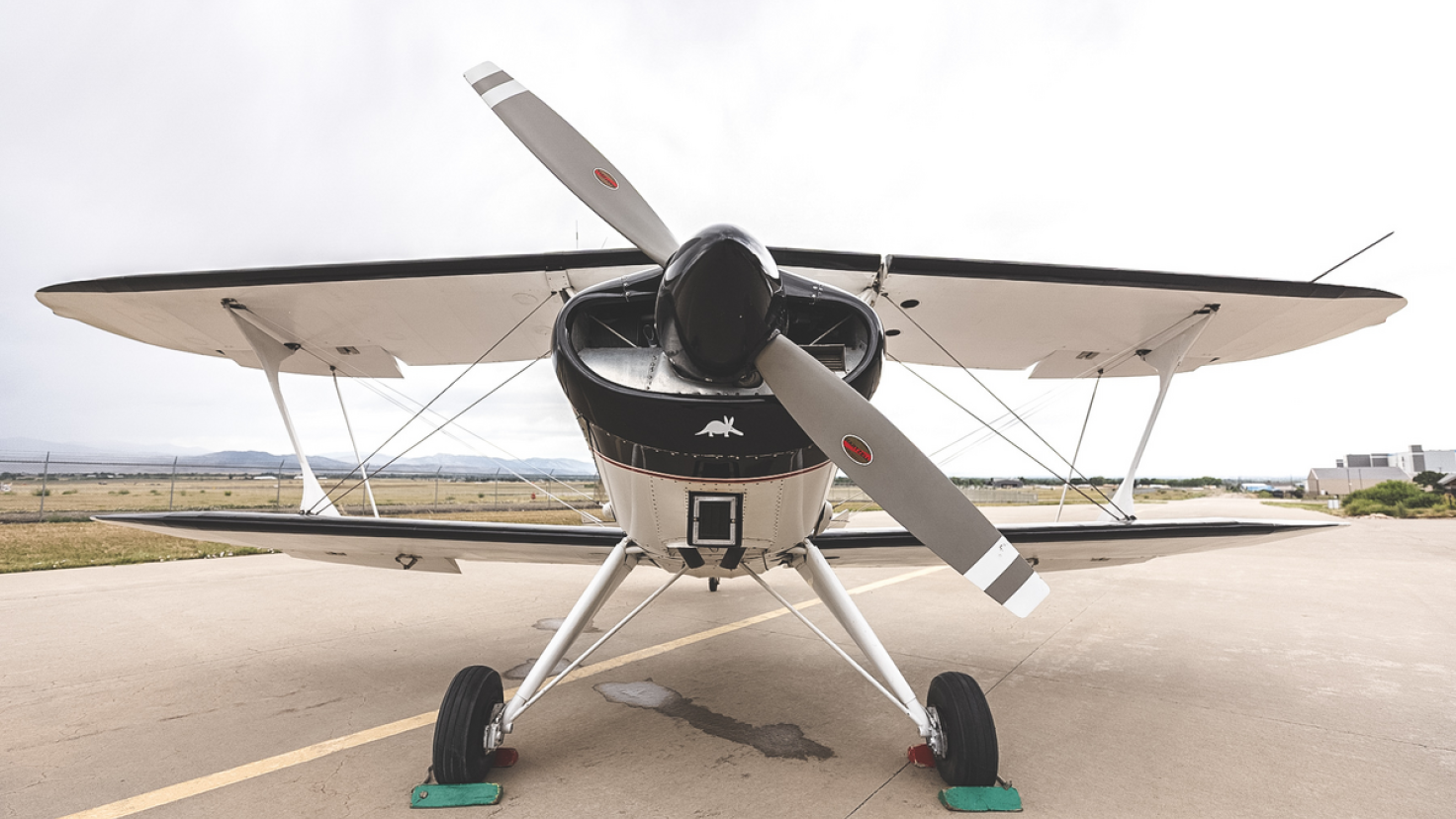
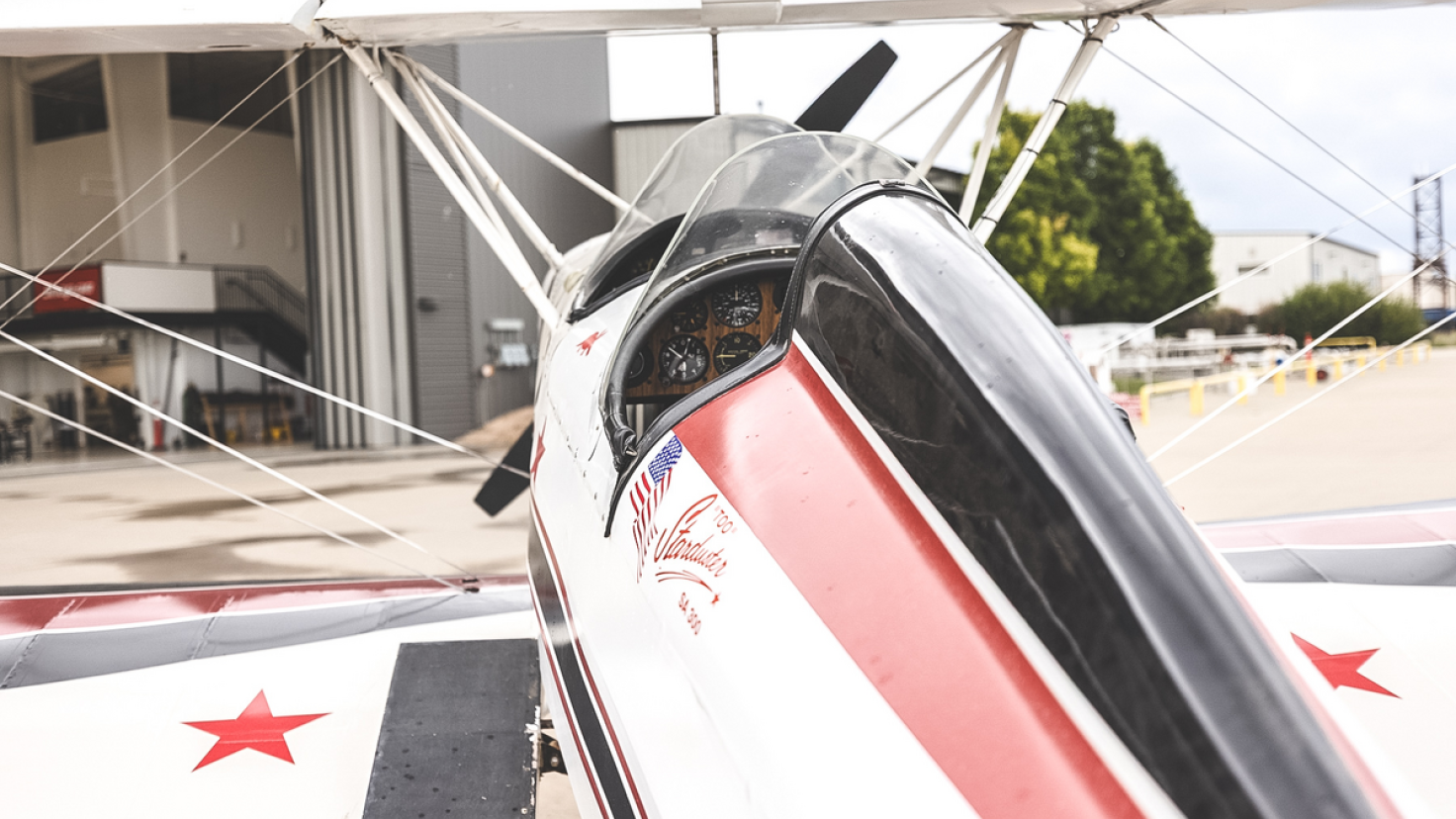
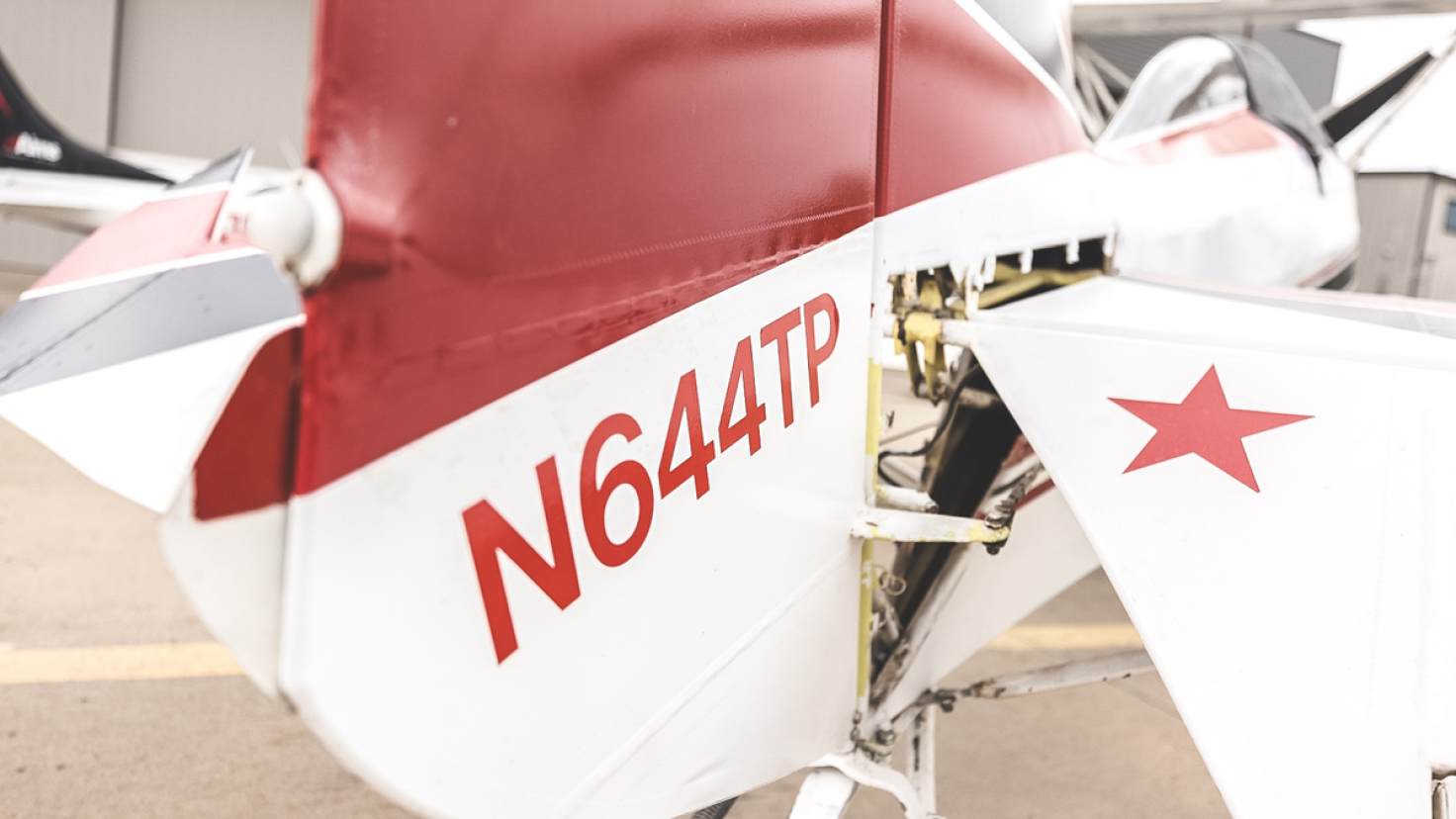
1975 Holland Starduster Too Bi-Plane (Experimental)

starduster
N644TP

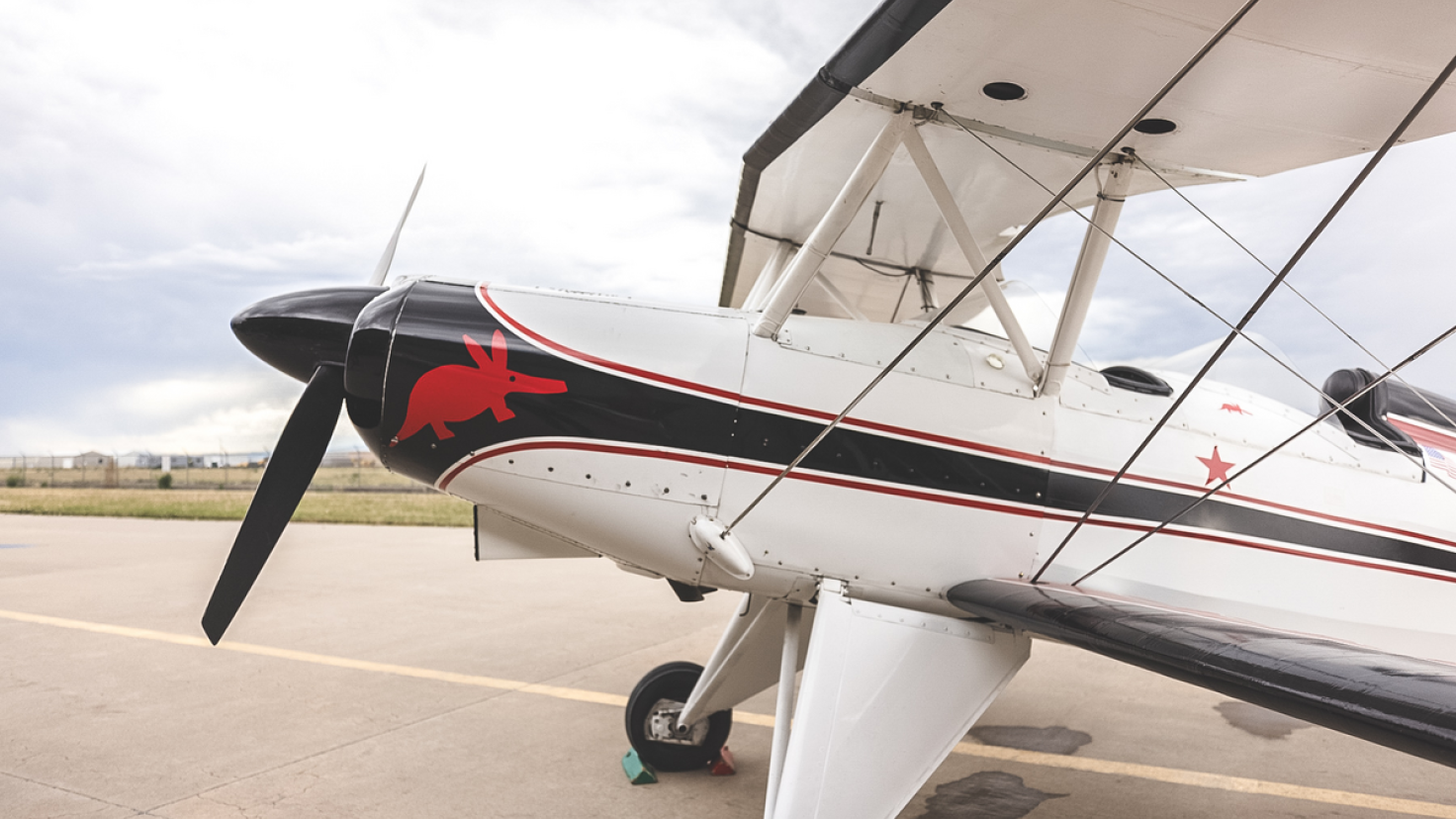
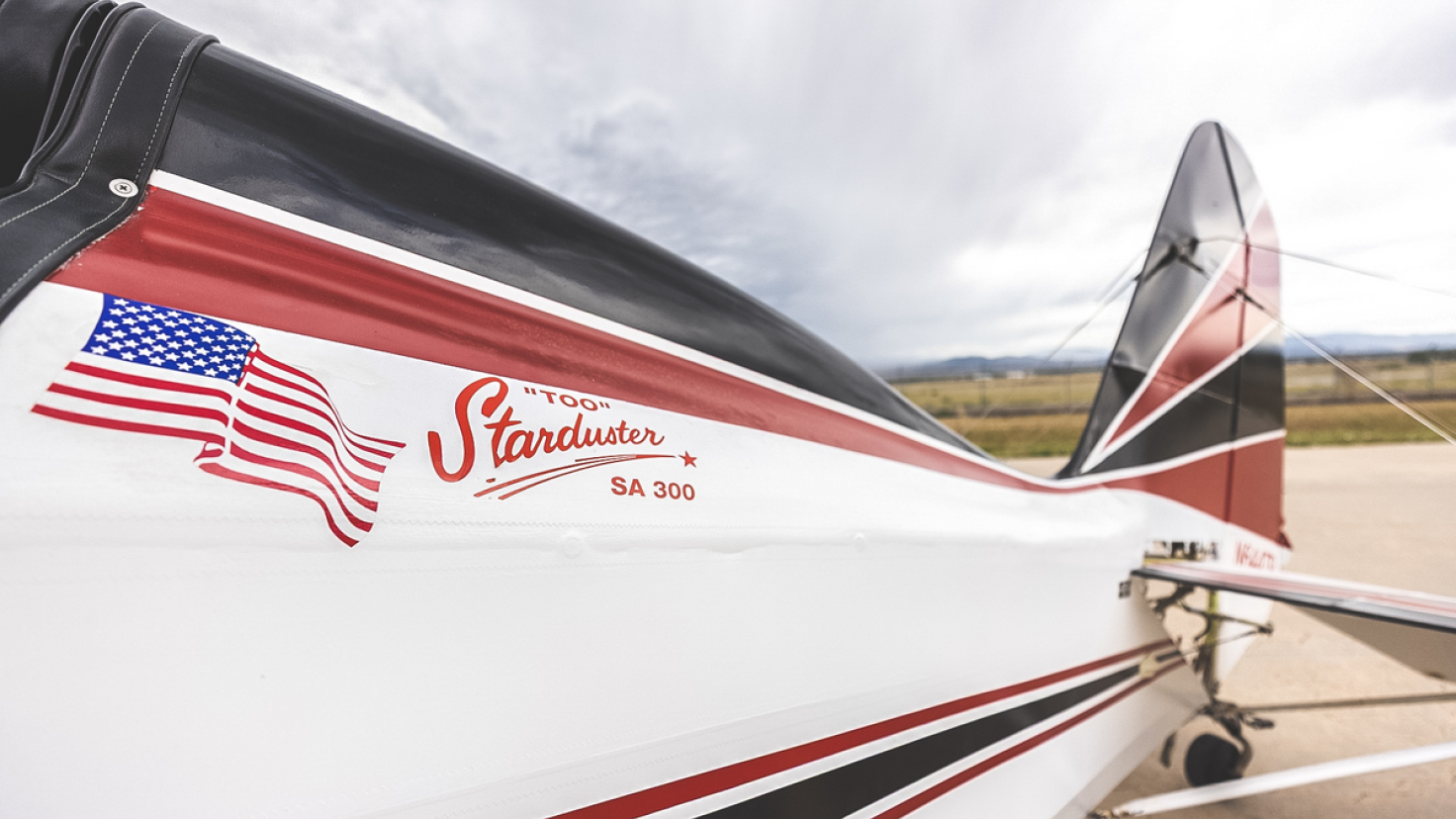
The 1975 Holland Starduster Too (Stolp SA-300 two-seat open-cockpit biplane) is a custom homebuilt aircraft designed originally by Louis Stolp and George Adams in the late 1950s as a fun, stable cross-country open-cockpit flyer. As an amateur-built experimental aircraft, individual builders customized their own models—frequently pairing the steel-tube and fabric frame with high-horsepower powerplants like the Lycoming O-540.

While the aircraft was distributed primarily via plans and material kits for amateur builders, it has led to over 1,000 completed examples and it is known for classic vintage biplane responsiveness, though individual airframes require careful ground handling attention depending on gear placement and weight distribution.

1994 Robinson Helicopter R44 Raven I

raven-i
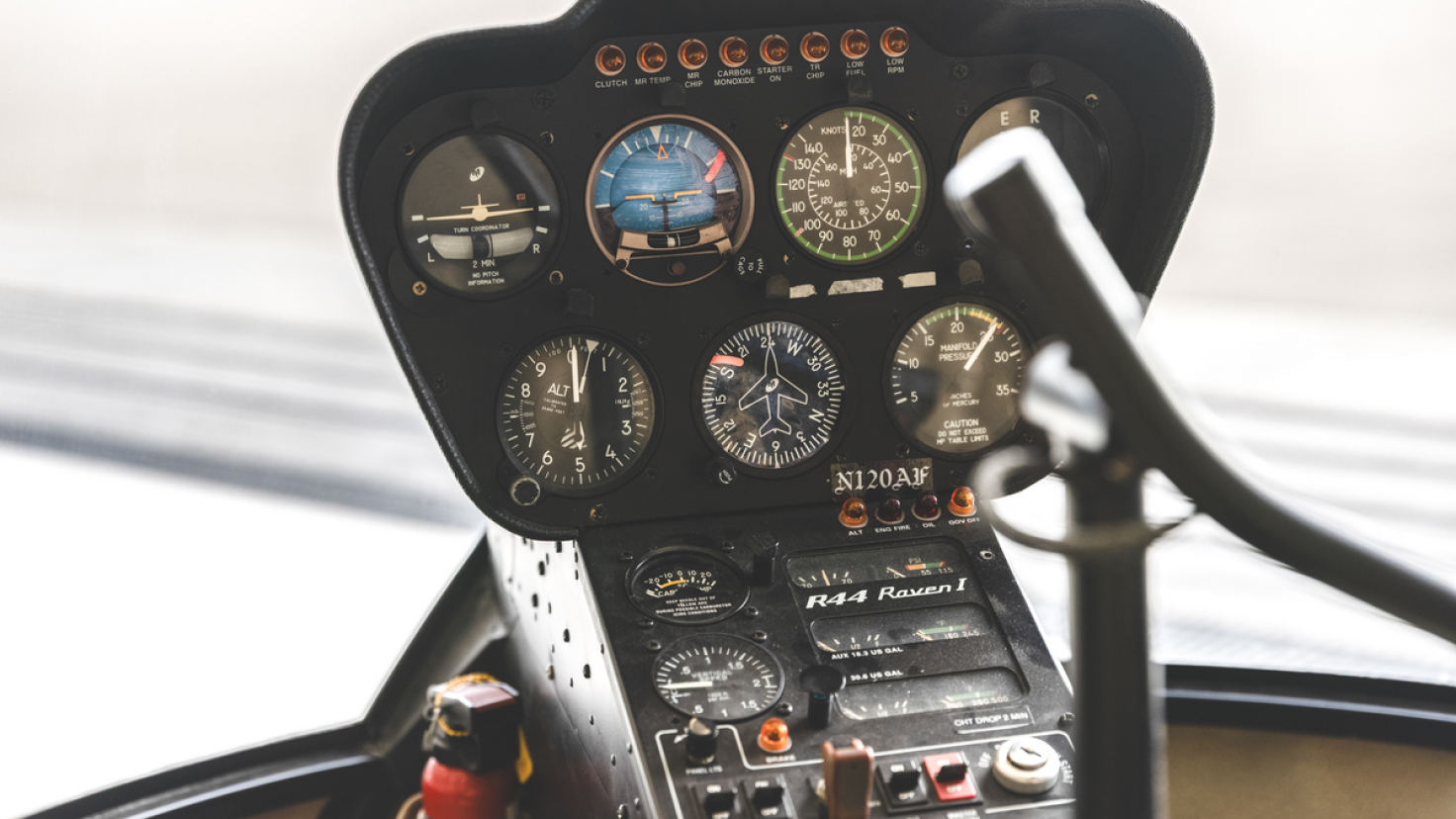
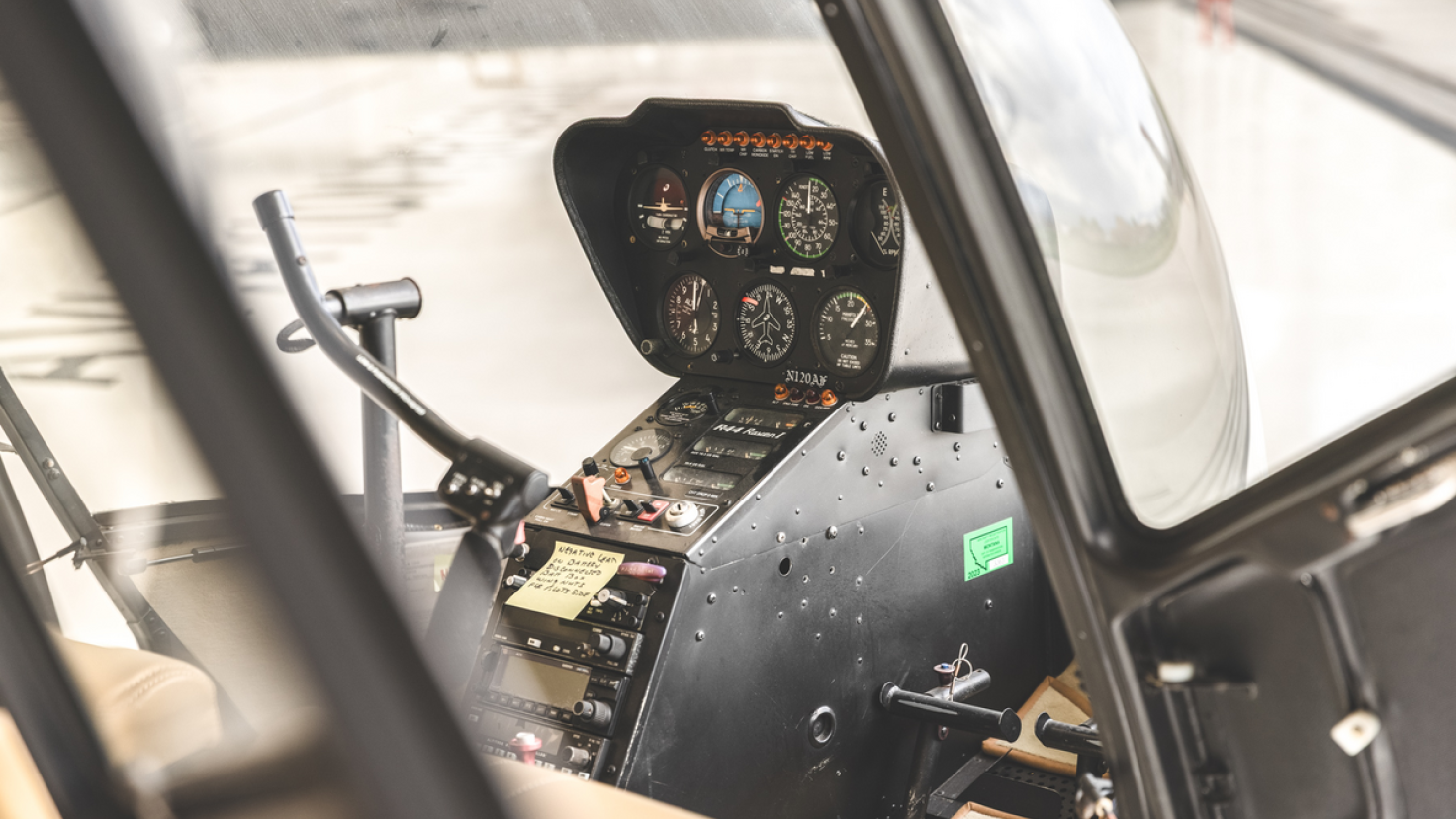
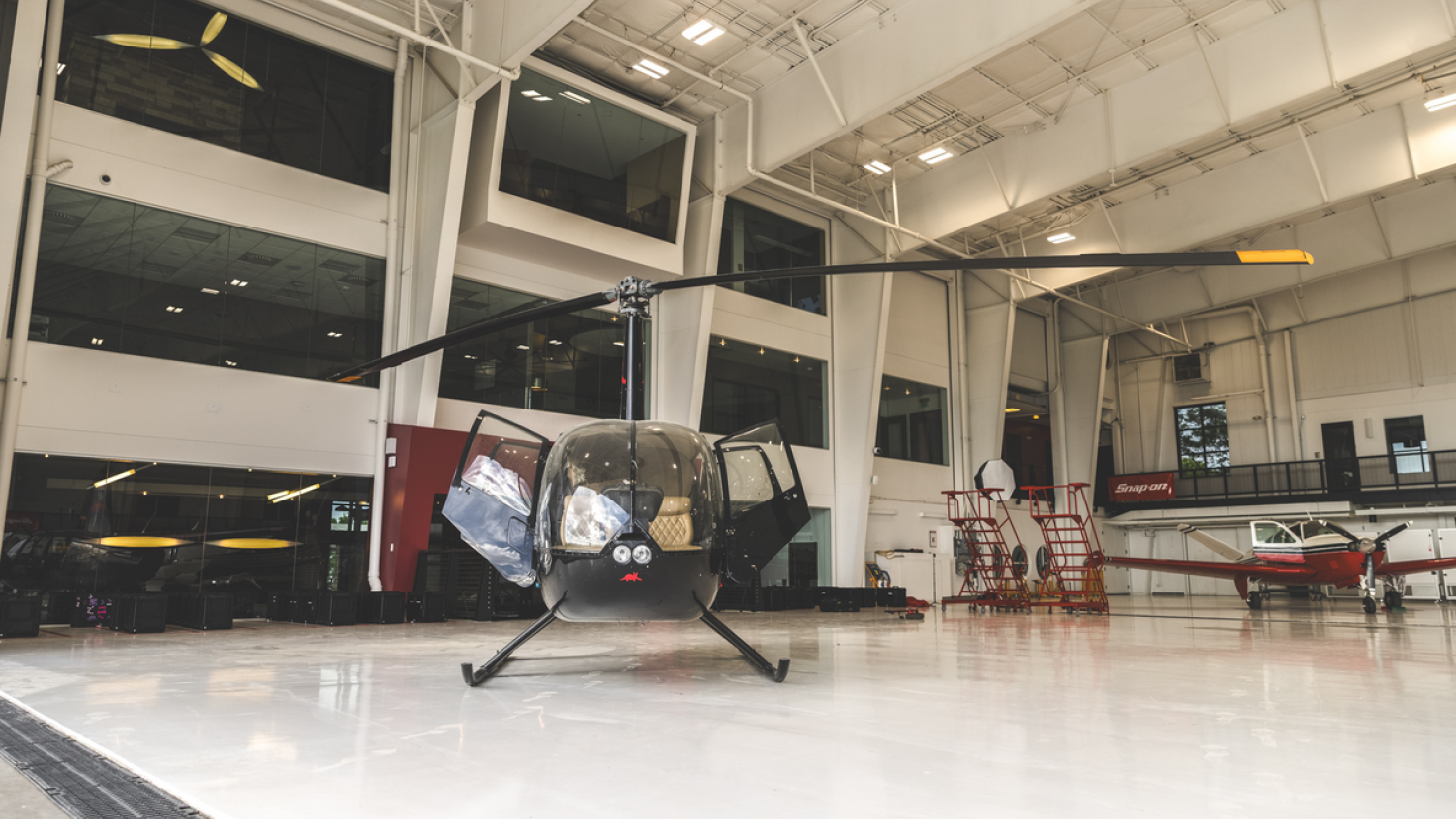
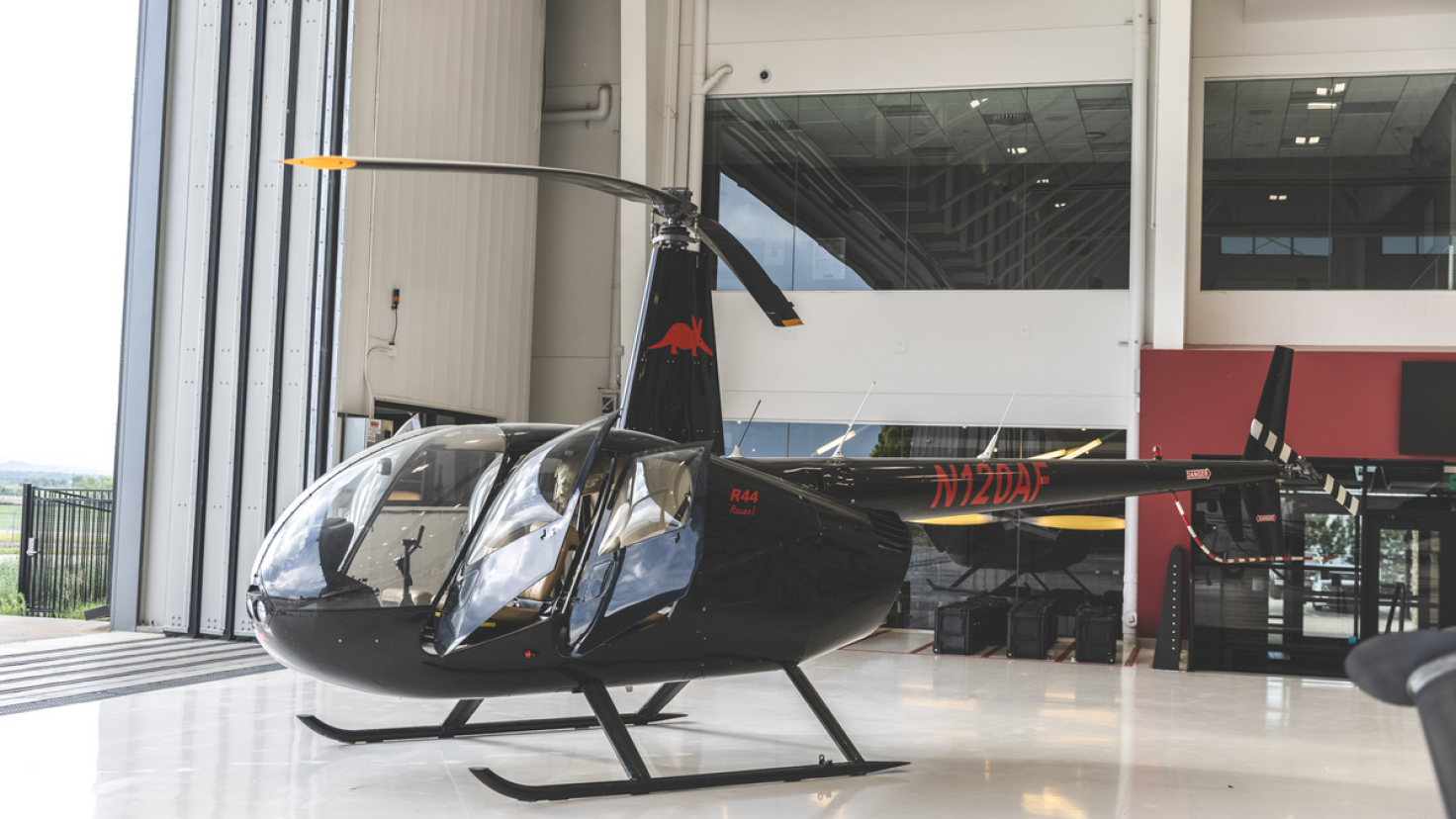
N120AF

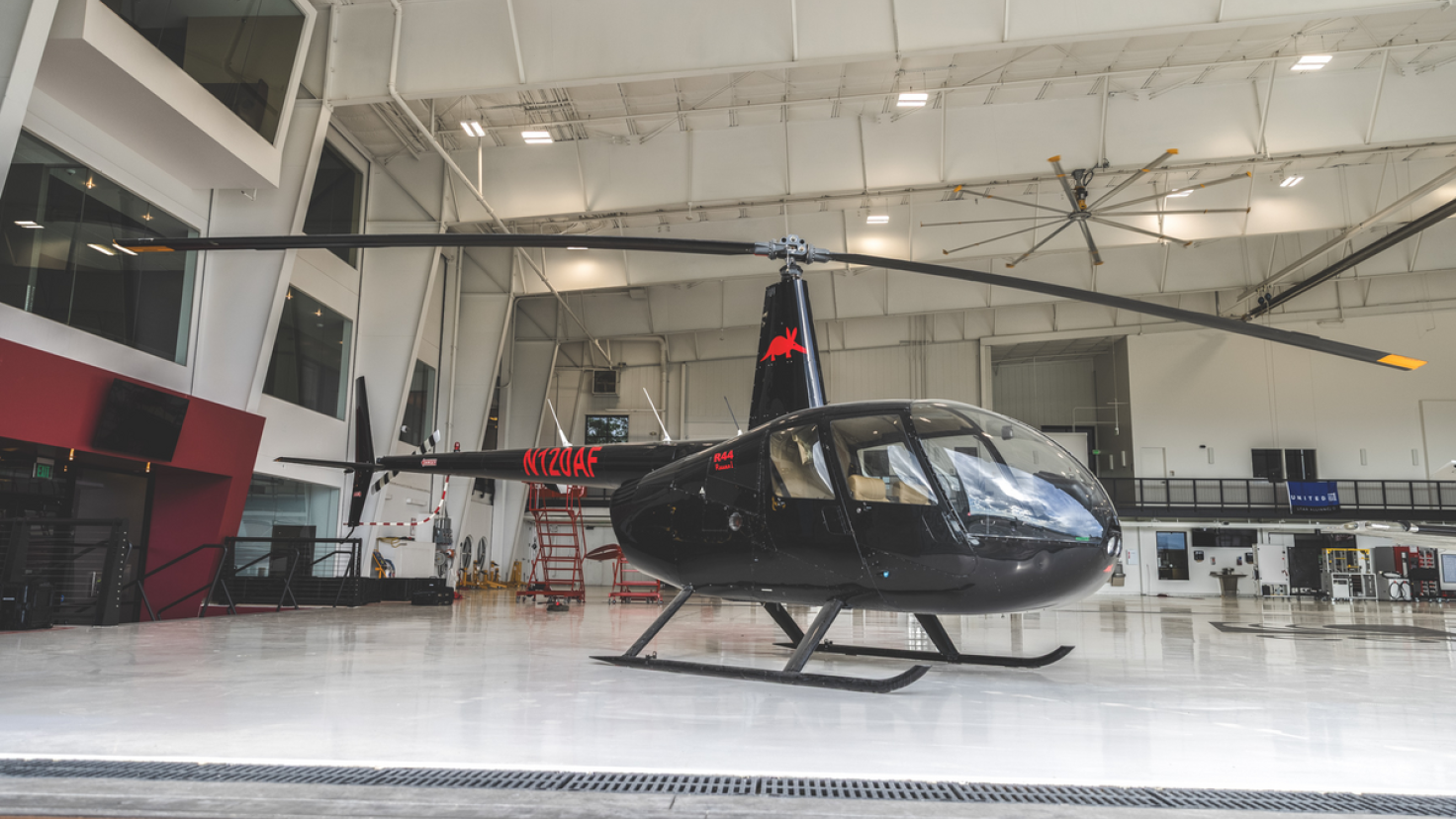
Frank Robinson started designing the larger four-place aircraft in 1986 to give private and commercial operators a cost-effective alternative to expensive turbine helicopters. The prototype took to the air on March 31, 1990.

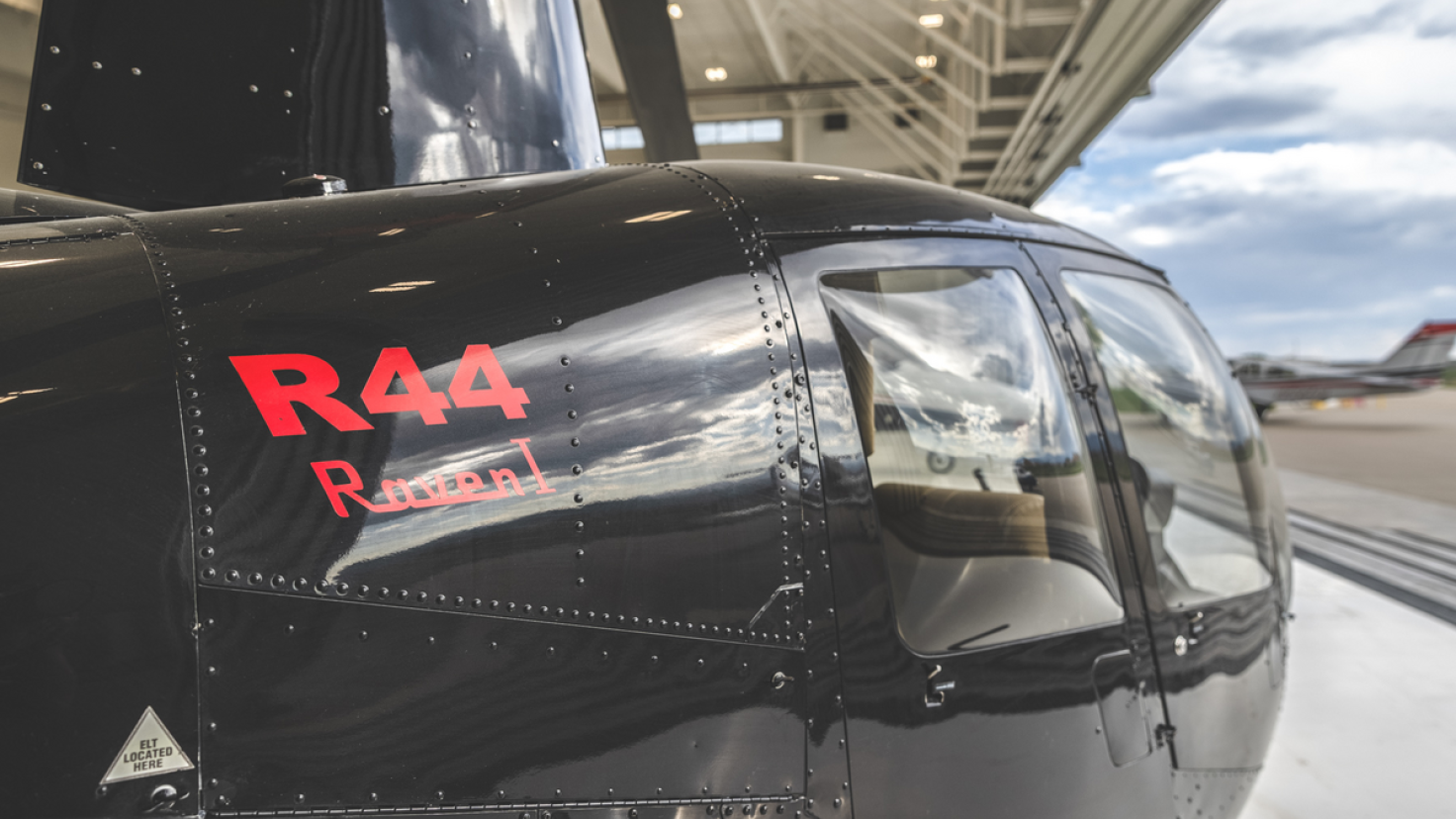
Certified in 1992 and produced early in the R44 program's history, this model uses unassisted or partially assisted mechanical controls preceding the later hydraulic Raven upgrades leading to initial customer deliveries in early 1993. Originally designated as the R44 Astro, 1994 was a breakthrough foundational year where Robinson produced over 100 units of the R44, firmly establishing its market viability alongside the smaller R22.

The 1994 Robinson Helicopter Company R44 Raven I is an early-production, four-seat, single-engine light helicopter powered by a Lycoming O-540 piston engine (225–260 hp).